Month Of Safar | Hadiths And Misconceptions Of Safar
Safar is the 2nd month per the Islamic Calendar, more commonly known as Hijri Calendar. Although there are no particular Islamic events that fall in this month, some important happenings occurred during this month in the post-Islamic era
1. The Origins of Misconceptions About Safar
In pre-Islamic Arabia (the Jāhiliyyah), Arabs considered Safar (the second lunar month) unlucky, associating it with misfortune and superstitions
Some even delayed sacred events (like umrah or marriages) until after Safar passed
2. What the Qur’an and Sunnah Teach
A Prophet’s Clear Rejection of These Beliefs
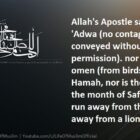
Abū Hurayrah (RA) narrated that the Prophet ﷺ said:
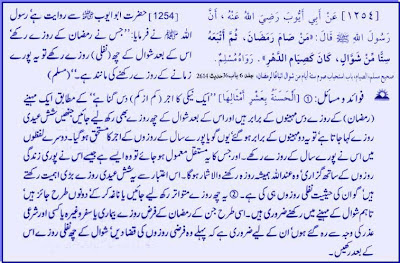
“There is no contagious disease (Adwa), nor is there any bad omen in birds, nor is there any Hamah, and there is no bad omen in the month of Safar… but flee from the leper as you would flee from a lion.”
Reference : Ṣaḥīḥ al‑Bukhārī 5707; Ṣaḥīḥ Muslim 2220/2222
3. Prohibition on Superstitions
Islam teaches that beliefs in omens and superstitions amount to shirk (associating others with Allah in judgement)
True believers should instead rely on Tawakkul (trust in Allah), as the Qur’an states:
“No misfortune befalls except by Allah’s decree.”
Al Quran — Surah Ṭāghābun 64:11
4. Common Misconceptions People Still Hold
That marriages, new ventures, or journeys should not start in Safar.
That the first 13 days of Safar are particularly inauspicious (sometimes called “Teira Tezi”)
That jinn or evil spirits are more active during Safar
That distributing food or doing charity on the 13th of Safar wards off misfortune — such popular beliefs are baseless and not from Sunnah
5. Notable Events in Safar
The Hijrah: On 27 Safar, the Prophet ﷺ and Abū Bakr (RA) escaped from Makkah and began their journey to Madinah, signaling a major turning point in Islamic history
Battles and campaigns like the Battle of Abwā and Bi’r Ma‘ūnah occurred during Safar
Final illness of the Prophet ﷺ began in Safar before his passing in Rabīʿ al‑Awwal
These events show that goodness, trials, and divine decrees can all happen — none because of the month itself but because of Allah’s will.
6. Islamic Guidance
Safar is just like any other month — it has no independent blessings or curse.
Every month is from Allah’s creation, and nothing occurs without His decree.
Avoid all superstitions; nothing is inherently unlucky.
It is permissible to marry, travel, start business, perform acts of worship — any time, including Safar.
Instead of superstition, focus on regular good deeds, worship, trust (tawakkul), and supplication.
7. References
The Hadith clearly: “No bad omen in the month of Safar” (Ṣaḥīḥ Bukhārī & Muslim)