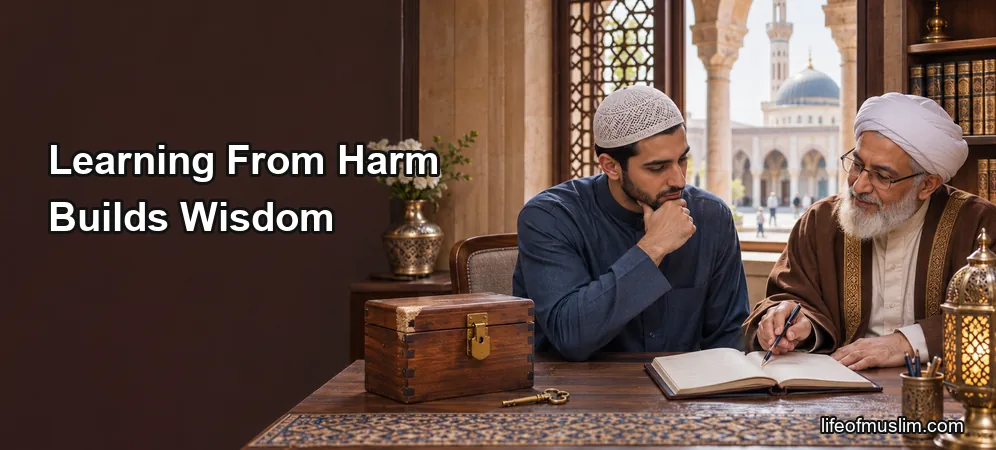
Mercy is not carelessness, and forgiveness does not require repeating the same preventable mistake. Islam teaches a believer to remain compassionate while becoming wiser through experience.
In Sahih al-Bukhari 6133, the Prophet Muhammad ﷺ said, “A believer is not stung twice … out of one and the same hole.” This concise teaching encourages attention to patterns. When harm reveals a weakness, a believer learns, repairs it, and takes reasonable precautions.
Look for the Pattern, Not Only the Incident
After a difficult event, strong emotions can make reflection hard. When calm returns, write down what happened, what warning signs were present, which decision increased risk, and what can be changed. The purpose is not endless self-blame. It is to identify the part of the situation that can be handled more wisely next time.
A repeated problem may involve unclear agreements, ignored deadlines, unsafe access, misplaced trust, or reluctance to ask for help. Naming the pattern turns pain into a practical lesson.
Set Boundaries Without Cruelty
A boundary states what you will allow, what you will do, and what consequence follows if an agreement is broken. It can be calm and specific: use written terms, limit access, require supervision, pause a transaction, or communicate through an appropriate third person.
Healthy boundaries do not require humiliation, revenge, or public exposure. They protect responsibilities while leaving judgment of hearts to Allah. If there is abuse, fraud, or danger, seek qualified local, legal, medical, or safeguarding help rather than managing the risk alone.
Forgiveness and Restored Trust Are Different
A person may choose forgiveness for Allah’s sake while still rebuilding trust slowly. Trust grows through truthful behaviour, fulfilled commitments, accountability, and time. Words of apology matter, but consistent repair is also necessary.
This distinction prevents two extremes. We need not carry permanent hatred, and we need not pretend that nothing happened. Mercy can coexist with evidence, gradual access, and careful observation.
Do Not Turn Wisdom Into Suspicion of Everyone
One person’s wrongdoing should not make every person a suspect. The hadith directs attention to the same hole: the known pattern and preventable route of harm. Wisdom is focused and proportionate. Cynicism, by contrast, spreads fear beyond the evidence and may damage innocent relationships.
Ask whether a precaution addresses a real pattern or merely feeds anxiety. Consult a trustworthy person who can see the situation more calmly. Make the smallest effective change, review it, and strengthen it only when the facts require more.
Conclusion
Sahih al-Bukhari 6133 teaches alertness without hard-heartedness. A believer reviews experience, repairs weak points, sets clear boundaries, and allows trust to return through evidence. Learning from harm is not abandoning mercy; it is protecting mercy from becoming repeated negligence.
مومن تجربے سے سیکھتا ہے
رحم کا مطلب لاپروائی نہیں، اور معاف کرنے کا مطلب ایک ہی قابل بچاؤ غلطی کو بار بار دہرانا نہیں۔ اسلام مومن کو ہمدرد رہتے ہوئے تجربے سے زیادہ دانا بننے کی تعلیم دیتا ہے۔
صحیح بخاری 6133 میں نبی کریم ﷺ نے فرمایا کہ مومن ایک ہی سوراخ سے دو بار نہیں ڈسا جاتا۔ یہ مختصر تعلیم ہمیں حالات کے نمونوں پر توجہ دلاتی ہے۔ جب کسی نقصان سے کمزوری ظاہر ہو تو مومن سبق لیتا، اس کمزوری کی اصلاح کرتا اور مناسب احتیاط اختیار کرتا ہے۔
صرف واقعہ نہیں، اس کے نمونے کو دیکھیں
مشکل واقعے کے فوراً بعد جذبات غور و فکر کو دشوار بنا سکتے ہیں۔ سکون آنے پر لکھیں کہ کیا ہوا، کون سی تنبیہی علامتیں موجود تھیں، کس فیصلے سے خطرہ بڑھا، اور اگلی بار کیا بدلا جا سکتا ہے۔ مقصد خود کو مسلسل ملامت کرنا نہیں بلکہ اس حصے کو پہچاننا ہے جسے آئندہ زیادہ حکمت سے سنبھالا جا سکتا ہے۔
بار بار آنے والی مشکل میں غیر واضح معاہدہ، نظر انداز کی گئی مدت، غیر محفوظ رسائی، غلط جگہ اعتماد یا مدد مانگنے میں جھجک شامل ہو سکتی ہے۔ نمونہ پہچاننے سے تکلیف ایک عملی سبق بن جاتی ہے۔
سخت دلی کے بغیر حدود قائم کریں
حد یہ واضح کرتی ہے کہ آپ کیا قبول کریں گے، خود کیا کریں گے، اور معاہدہ ٹوٹنے پر کیا نتیجہ ہوگا۔ اسے پُرسکون اور واضح رکھا جا سکتا ہے: تحریری شرائط بنائیں، رسائی محدود کریں، نگرانی ضروری قرار دیں، لین دین روکیں یا مناسب تیسرے شخص کے ذریعے رابطہ کریں۔
صحتمند حدود کے لیے کسی کی تذلیل، انتقام یا عوامی رسوائی ضروری نہیں۔ یہ ذمہ داریوں کی حفاظت کرتی ہیں اور دلوں کا فیصلہ اللہ پر چھوڑتی ہیں۔ اگر معاملہ زیادتی، دھوکے یا خطرے کا ہو تو اکیلے سنبھالنے کے بجائے مقامی اہل، قانونی، طبی یا حفاظتی مدد حاصل کریں۔
معافی اور اعتماد کی بحالی الگ چیزیں ہیں
انسان اللہ کی رضا کے لیے معاف کر سکتا ہے مگر اعتماد آہستہ آہستہ دوبارہ قائم کر سکتا ہے۔ اعتماد سچے رویے، پورے کیے گئے وعدوں، جواب دہی اور وقت سے بڑھتا ہے۔ معذرت کے الفاظ اہم ہیں، مگر مستقل اصلاح بھی ضروری ہے۔
یہ فرق دو انتہاؤں سے بچاتا ہے۔ نہ ہمیں مستقل نفرت اٹھائے رکھنی ہے اور نہ یہ ظاہر کرنا ہے کہ کچھ ہوا ہی نہیں۔ رحم کے ساتھ دلیل، مرحلہ وار رسائی اور محتاط مشاہدہ قائم رہ سکتے ہیں۔
حکمت کو سب کے بارے میں بدگمانی نہ بنائیں
ایک شخص کی غلطی ہر انسان کو مشکوک نہیں بناتی۔ حدیث اسی سوراخ کی طرف توجہ دلاتی ہے، یعنی معلوم نمونہ اور نقصان کا وہ راستہ جس سے بچا جا سکتا ہے۔ حکمت متعین اور متناسب ہوتی ہے، جبکہ بدگمانی دلیل سے آگے خوف پھیلاتی اور بے قصور تعلقات کو نقصان پہنچا سکتی ہے۔
خود سے پوچھیں کہ احتیاط کسی حقیقی نمونے کو حل کرتی ہے یا صرف بے چینی بڑھاتی ہے۔ کسی قابل اعتماد شخص سے مشورہ کریں جو معاملہ زیادہ سکون سے دیکھ سکے۔ پہلے کم سے کم مؤثر تبدیلی کریں، پھر اس کا جائزہ لیں، اور حقائق ضرورت دکھائیں تو اسے مضبوط کریں۔
خلاصہ
صحیح بخاری 6133 ہمیں سخت دلی کے بغیر ہوشیاری سکھاتی ہے۔ مومن تجربے کا جائزہ لیتا، کمزور جگہ درست کرتا، واضح حدود قائم کرتا اور دلیل کے ساتھ اعتماد کو واپس آنے دیتا ہے۔ نقصان سے سیکھنا رحم چھوڑنا نہیں بلکہ رحم کو بار بار کی غفلت بننے سے بچانا ہے۔
References
Sahih al-Bukhari — Book 78, Good Manners and Form (Al-Adab), Chapter 83, Hadith 6133 (in-book Hadith 160)