Making a mistake is part of human life, but repeating the same preventable harm without reflection is not wise. Islamic guidance encourages believers to remain alert, learn from experience, and combine a trusting heart with responsible caution.
A Believer Learns from Experience
Abu Huraira reported that the Prophet Muhammad ﷺ said: “A believer is not stung twice out of one and the same hole.” This concise teaching encourages awareness after a harmful experience. A believer does not ignore a clear lesson and walk carelessly into the same danger again.
The hadith is not an instruction to become suspicious of everyone or fearful of every decision. Rather, it teaches thoughtful learning. Faith does not prevent us from reviewing what happened, recognizing warning signs, and taking sensible precautions.
Reflection Turns a Mistake into a Lesson
After a setback, separate honest reflection from harsh self-condemnation. Ask what was within your control, what warning you missed, and which step should change next time. A clear lesson is more useful than repeatedly blaming yourself without a plan.
Sometimes the lesson concerns a rushed decision, weak verification, misplaced trust, poor preparation, or an unclear boundary. Name the specific issue. Vague regret usually fades, while a precise correction can guide future action.
Take Precautions Without Losing Good Character
Learning from harm may require checking information, recording agreements, seeking advice, limiting access, or changing a routine. These measures can be taken calmly and fairly. Caution should protect us without turning into bitterness, revenge, or accusations without evidence.
Forgiving someone does not always require returning immediately to the same level of trust. Trust can be rebuilt through honesty and consistent behaviour. Boundaries and forgiveness can exist together when both are guided by justice and wisdom.
Apply the Lesson to Everyday Life
In family life, notice patterns that repeatedly cause arguments and change the timing or manner of discussion. At work, improve a process after an error instead of hiding it. In financial matters, verify details before making the same risky commitment. Online, learn from misleading messages and check future claims carefully.
Write down the lesson while it is fresh. Choose one practical safeguard and review whether it works. If the matter is beyond your knowledge, consult someone trustworthy and qualified. Responsible learning is often a series of small improvements.
Keep Hope While Becoming Wiser
A past mistake does not have to define a person. It can become a reason for better judgment, stronger boundaries, and more careful action. The goal is not perfection, but growth that can be seen in the next choice.
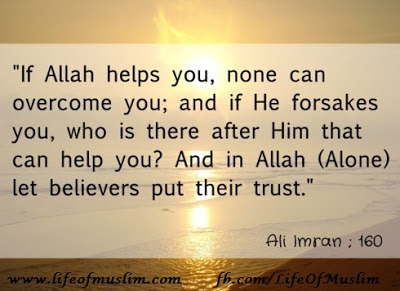
Ask Allah for guidance, take the available means, and move forward without despair. A believer can remain compassionate while refusing to repeat an avoidable error.
Conclusion
The hadith teaches a practical balance between faith and awareness. We learn from what harmed us, correct the weakness, and take wiser steps without surrendering to suspicion. When reflection produces responsible action, yesterday’s mistake can protect tomorrow’s decision.
غلطیوں سے سیکھنا مومن کو دوبارہ نقصان سے بچاتا ہے
غلطی کرنا انسانی زندگی کا حصہ ہے، لیکن غور کیے بغیر اسی قابلِ بچاؤ نقصان کو دہرانا دانائی نہیں۔ اسلامی رہنمائی مومن کو بیدار رہنے، تجربے سے سیکھنے اور اللہ پر اعتماد کے ساتھ ذمہ دارانہ احتیاط اختیار کرنے کی تعلیم دیتی ہے۔
مومن تجربے سے سبق لیتا ہے
حضرت ابو ہریرہ رضی اللہ عنہ سے روایت ہے کہ نبی کریم ﷺ نے فرمایا کہ مومن ایک ہی سوراخ سے دو مرتبہ نہیں ڈسا جاتا۔ یہ مختصر تعلیم نقصان دہ تجربے کے بعد ہوشیاری کی ترغیب دیتی ہے۔ مومن واضح سبق کو نظر انداز کرکے دوبارہ اسی خطرے کی طرف بے احتیاطی سے نہیں بڑھتا۔
حدیث کا مطلب یہ نہیں کہ ہر شخص پر شک کیا جائے یا ہر فیصلے سے خوف پیدا کیا جائے۔ بلکہ یہ سوچ سمجھ کر سیکھنے کی تعلیم ہے۔ ایمان ہمیں گزرے ہوئے واقعے کا جائزہ لینے، تنبیہی علامات پہچاننے اور مناسب احتیاط اختیار کرنے سے نہیں روکتا۔
غور و فکر غلطی کو سبق بناتا ہے
نقصان یا ناکامی کے بعد دیانت دارانہ جائزے اور خود کو سخت ملامت کرنے میں فرق رکھیں۔ سوچیں کہ کون سی چیز آپ کے اختیار میں تھی، کون سی علامت نظر انداز ہوئی اور اگلی مرتبہ کون سا قدم بدلنا چاہیے۔ بغیر منصوبے کے خود کو بار بار قصوروار ٹھہرانے سے واضح سبق زیادہ فائدہ دیتا ہے۔
کبھی سبق جلد بازی، کمزور تحقیق، غلط جگہ اعتماد، ناقص تیاری یا غیر واضح حد سے متعلق ہوتا ہے۔ اصل مسئلے کا صاف نام لیں۔ مبہم پچھتاوا عموماً ختم ہو جاتا ہے، جبکہ واضح اصلاح آئندہ عمل کی رہنمائی کر سکتی ہے۔
اچھا کردار برقرار رکھتے ہوئے احتیاط کریں
نقصان سے سیکھنے کے لیے معلومات کی جانچ، معاہدہ لکھنے، مشورہ لینے، رسائی محدود کرنے یا معمول بدلنے کی ضرورت ہو سکتی ہے۔ یہ اقدامات سکون اور انصاف کے ساتھ کیے جا سکتے ہیں۔ احتیاط ہماری حفاظت کرے، مگر تلخی، انتقام یا بے دلیل الزام میں تبدیل نہ ہو۔
کسی کو معاف کرنے کا مطلب ہمیشہ یہ نہیں کہ فوراً پہلے جتنا اعتماد بھی بحال کر دیا جائے۔ سچائی اور مسلسل اچھے عمل کے ذریعے اعتماد دوبارہ قائم ہو سکتا ہے۔ انصاف اور دانائی کی رہنمائی میں معافی اور حدود دونوں ساتھ رہ سکتے ہیں۔
روزمرہ زندگی میں سبق پر عمل کریں
خاندانی زندگی میں ان طریقوں کو پہچانیں جو بار بار بحث پیدا کرتے ہیں اور گفتگو کا وقت یا انداز بدلیں۔ کام میں غلطی چھپانے کے بجائے طریقۂ کار بہتر کریں۔ مالی معاملات میں اسی خطرناک فیصلے کو دہرانے سے پہلے تفصیل کی جانچ کریں۔ آن لائن گمراہ کن پیغام سے سبق لے کر آئندہ دعووں کی تحقیق کریں۔
سبق تازہ ہو تو اسے لکھ لیں۔ ایک عملی حفاظتی قدم منتخب کریں اور دیکھیں کہ وہ فائدہ دے رہا ہے یا نہیں۔ معاملہ آپ کے علم سے باہر ہو تو قابلِ اعتماد اور اہل شخص سے مشورہ کریں۔ ذمہ دارانہ سیکھنا اکثر چھوٹی مگر مسلسل اصلاحات کا مجموعہ ہوتا ہے۔
زیادہ دانا بنتے ہوئے امید قائم رکھیں
گزشتہ غلطی کسی شخص کی مستقل پہچان نہیں بننی چاہیے۔ وہ بہتر فیصلے، مضبوط حدود اور زیادہ محتاط عمل کا سبب بن سکتی ہے۔ مقصد کامل ہونا نہیں بلکہ ایسی ترقی ہے جو اگلے انتخاب میں نظر آئے۔
اللہ سے رہنمائی مانگیں، دستیاب اسباب اختیار کریں اور مایوسی کے بغیر آگے بڑھیں۔ مومن ہمدرد رہتے ہوئے قابلِ بچاؤ غلطی دہرانے سے انکار کر سکتا ہے۔
خلاصہ
یہ حدیث ایمان اور بیداری کے درمیان عملی توازن سکھاتی ہے۔ ہم نقصان سے سبق لیتے، کمزوری درست کرتے اور بدگمانی میں مبتلا ہوئے بغیر زیادہ دانا قدم اٹھاتے ہیں۔ جب غور و فکر ذمہ دارانہ عمل پیدا کرے تو کل کی غلطی آنے والے فیصلے کی حفاظت بن سکتی ہے۔
References
Sahih al-Bukhari — Good Manners and Form (Al-Adab) — Chapter: A Believer Is Not Stung Twice from the Same Hole — Hadith 6133 — Book 78, Hadith 160