Islam does not present knowledge as a decoration for the ego. It is a trust that should deepen faith, improve conduct, and make a person more useful to others. The more we understand, the more carefully we should speak, decide, and serve.
Quran 58:11 joins faith, respectful conduct in gatherings, and the honour of knowledge. It teaches believers to make room for others and to respond when asked to rise. The verse then says that Allah elevates people of faith and those given knowledge in rank. Learning is therefore connected to humility and responsible behaviour, not pride.
Make Room Before Seeking Recognition
The instruction to make room is practical and spiritual. In a class, mosque, family meeting, or online discussion, a learner should not dominate every space. We can welcome a newcomer, listen without interrupting, credit another person’s contribution, and allow quieter people to participate.
This manner protects knowledge from becoming self-centred. A person may possess information yet still need to learn patience, courtesy, and service. Making room for others shows that truth matters more than being noticed.
Let Learning Change Daily Choices
Beneficial knowledge appears in action. After learning a ruling, ethical principle, or useful skill, ask what it should change today. It may improve a prayer, correct a financial habit, soften a conversation, or help a neighbour solve a real problem.
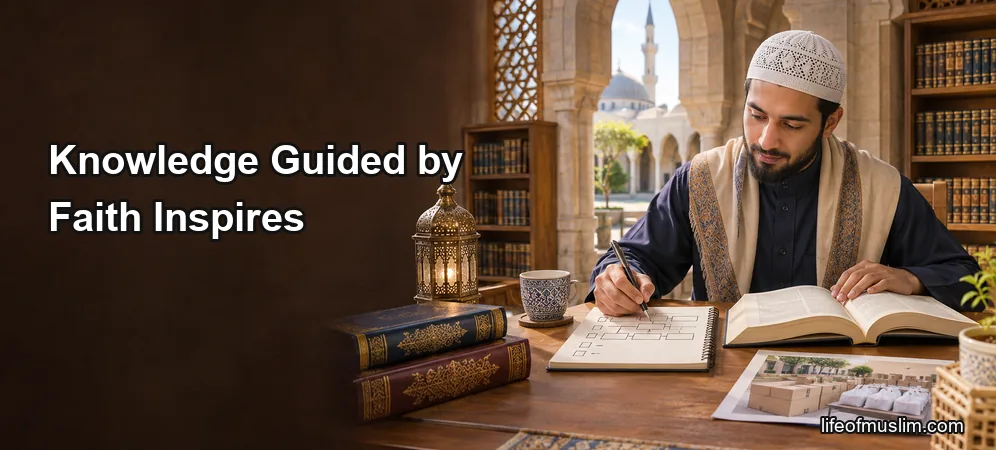
Keep a small learning notebook with three lines: what I learned, what evidence supports it, and what action follows. Review it weekly. This simple habit helps information travel from memory into character.
Study With Verification and Humility
Responsible learners distinguish clear evidence from personal impressions. They check original sources, ask qualified teachers when a matter is beyond them, and say “I do not know” when necessary. They also correct mistakes without defending them merely to protect their reputation.
Knowledge should make us gentler with sincere questions and more cautious with serious claims. It should never become permission to mock, shame, or speak beyond our competence.
Share Knowledge as Service
Teaching can be an act of care. Explain one useful point clearly, mention its source accurately, and choose language suited to the listener. Avoid overwhelming people or turning every conversation into a lecture. Sometimes the best service is a patient answer; at other times it is helping someone find a trustworthy specialist.
When learning produces honesty, inclusion, and useful work, it becomes visible in the community. The goal is not merely to know more than others, but to worship Allah more consciously and benefit people more reliably.
Conclusion
Quran 58:11 teaches that faith and knowledge are honoured while also commanding considerate conduct. We honour this guidance when we make room for others, verify what we learn, admit our limits, and translate understanding into humble action. Knowledge rises in value when it lowers arrogance and increases responsible service.
علم کی ایک اخلاقی سمت ہے
اسلام علم کو انا کی زینت نہیں بناتا۔ علم ایک امانت ہے جو ایمان کو گہرا، کردار کو بہتر اور انسان کو دوسروں کے لیے زیادہ فائدہ مند بنائے۔ جتنا ہم سمجھتے ہیں اتنا ہی ہمیں گفتگو، فیصلوں اور خدمت میں احتیاط کرنی چاہیے۔
سورۃ المجادلہ کی آیت 11 ایمان، مجلس کے ادب اور علم کی فضیلت کو ایک ساتھ بیان کرتی ہے۔ اہل ایمان کو مجلس میں دوسروں کے لیے جگہ بنانے اور اٹھنے کو کہا جائے تو اٹھنے کی تعلیم دی گئی ہے۔ پھر بتایا گیا ہے کہ اللہ اہل ایمان اور علم دیے گئے لوگوں کے درجات بلند فرماتا ہے۔ یوں علم تکبر نہیں بلکہ عاجزی اور ذمہ دار رویے سے جڑتا ہے۔
تعریف چاہنے سے پہلے دوسروں کے لیے جگہ بنائیں
جگہ بنانا عملی بھی ہے اور روحانی بھی۔ درس، مسجد، گھر کی گفتگو یا آن لائن بحث میں سیکھنے والے کو ہر موقع پر غالب نہیں آنا چاہیے۔ نئے آنے والے کو جگہ دینا، بات کاٹے بغیر سننا، دوسرے کی اچھی بات کا اعتراف کرنا اور خاموش افراد کو بولنے کا موقع دینا اسی ادب کا حصہ ہے۔
یہ انداز علم کو خود پسندی سے بچاتا ہے۔ کسی کے پاس معلومات ہو سکتی ہیں مگر اسے صبر، خوش اخلاقی اور خدمت سیکھنے کی ضرورت پھر بھی رہتی ہے۔ دوسروں کے لیے جگہ بنانا ظاہر کرتا ہے کہ ہماری ترجیح اپنی شہرت نہیں بلکہ حق ہے۔
علم کو روزمرہ فیصلوں میں بدلیں
فائدہ مند علم عمل میں دکھائی دیتا ہے۔ کوئی حکم، اخلاقی اصول یا مفید مہارت سیکھنے کے بعد خود سے پوچھیں کہ آج اس سے کیا تبدیلی آنی چاہیے۔ یہ علم نماز بہتر کر سکتا ہے، مالی عادت درست کر سکتا ہے، گفتگو نرم بنا سکتا ہے یا کسی پڑوسی کی حقیقی مشکل حل کرنے میں مدد دے سکتا ہے۔
ایک چھوٹی نوٹ بک میں تین باتیں لکھیں: میں نے کیا سیکھا، اس کی دلیل کیا ہے، اور اب کون سا عمل کرنا ہے۔ ہر ہفتے اسے دوبارہ دیکھیں۔ یہ سادہ عادت معلومات کو یادداشت سے کردار تک پہنچانے میں مدد دیتی ہے۔
تحقیق اور عاجزی کے ساتھ سیکھیں
ذمہ دار طالب علم واضح دلیل اور ذاتی رائے میں فرق رکھتا ہے۔ وہ اصل ماخذ دیکھتا ہے، اپنی سمجھ سے باہر معاملے میں اہل علم سے پوچھتا ہے، اور ضرورت پر یہ کہنے میں جھجکتا نہیں کہ مجھے معلوم نہیں۔ غلطی واضح ہو تو اپنی شہرت بچانے کے لیے اس کا دفاع کرنے کے بجائے اسے درست کرتا ہے۔
علم ہمیں مخلص سوالات کے ساتھ زیادہ نرم اور بڑے دعووں کے بارے میں زیادہ محتاط بنائے۔ کسی کا مذاق اڑانا، شرمندہ کرنا یا اپنی اہلیت سے بڑھ کر بولنا علم کا درست استعمال نہیں ہے۔
علم کو خدمت کے طور پر بانٹیں
تعلیم دینا بھی خیر خواہی ہے۔ ایک مفید بات صاف انداز میں سمجھائیں، ماخذ درست بتائیں اور مخاطب کی حالت کے مطابق زبان اختیار کریں۔ لوگوں کو غیر ضروری تفصیل سے نہ تھکائیں اور ہر گفتگو کو لیکچر نہ بنائیں۔ کبھی بہترین خدمت صبر سے جواب دینا ہے اور کبھی کسی معتبر ماہر تک رہنمائی کرنا۔
جب علم سچائی، شمولیت اور مفید کام پیدا کرے تو اس کا اثر معاشرے میں نظر آتا ہے۔ مقصد صرف دوسروں سے زیادہ جاننا نہیں بلکہ اللہ کی عبادت زیادہ شعور سے کرنا اور لوگوں کے لیے زیادہ قابل اعتماد فائدہ بننا ہے۔
خلاصہ
سورۃ المجادلہ کی آیت 11 ایمان اور علم کی عزت کے ساتھ باادب اجتماعی رویہ بھی سکھاتی ہے۔ ہم اس رہنمائی پر تب چلتے ہیں جب دوسروں کے لیے جگہ بنائیں، سیکھی ہوئی بات کی تحقیق کریں، اپنی حدود مانیں اور سمجھ کو عاجزانہ عمل میں بدلیں۔ علم کی قدر اس وقت بڑھتی ہے جب وہ غرور کم اور ذمہ دار خدمت زیادہ کرے۔