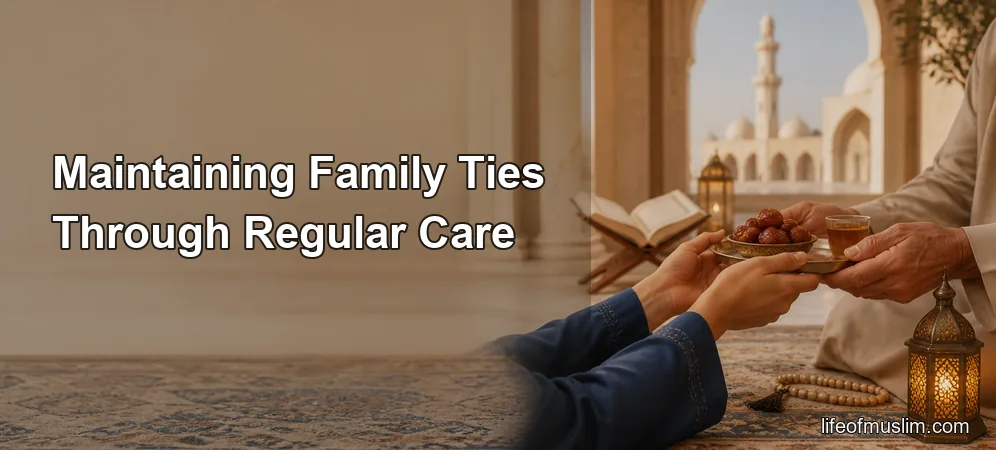
Family relationships are strengthened through repeated acts of attention, not occasional words alone. A message, visit, practical help, patient conversation, or sincere attempt at reconciliation can protect ties that might otherwise weaken through distance and busy routines.
The Quran Calls Us to Honour Family Ties
Allah says: “And be mindful of Allah—in Whose Name you appeal to one another—and honour family ties.” (Quran 4:1)
This command places family ties beside mindfulness of Allah. Relatives have different personalities, circumstances, and needs, yet the relationship should be treated with seriousness rather than convenience.
True Connection Is More Than Returning a Favour
‘Abdullah ibn ‘Amr reported that the Prophet Muhammad (peace be upon him) explained that a person who truly maintains kinship is not simply one who returns good treatment. Rather, “Al-Wasil is the one who keeps good relations with those relatives who had severed the bond of kinship with him.”
This guidance raises the standard of family care. Kindness is not meant to depend entirely on receiving equal attention. A Muslim can take a respectful step toward connection even when the relationship has become distant.
Make Contact Regular and Manageable
Long gaps can make reconnection feel difficult. Choose a simple routine that can continue: a weekly call, a short message, a monthly visit, or checking on an elderly relative after salah. Regular care is often more meaningful than rare, elaborate gestures.
Remember important circumstances such as illness, study pressure, a new child, bereavement, or financial difficulty. A timely question and attentive listening can show that a relative has not been forgotten.
Offer Practical Support with Respect
Support may include transport, a meal, help with an appointment, childcare, or sharing useful information. Ask what is needed instead of assuming. Give help discreetly and avoid reminding the person of it later.
Care should preserve dignity. If a request cannot be met, answer honestly and gently, and consider whether another safe form of support is possible.
Handle Differences Without Humiliation
Families may disagree about schedules, money, expectations, or past events. Speak about the issue without insulting the person. Choose a calm time, listen fully, and avoid turning a private disagreement into public discussion.
A sincere apology should identify the harm without excuses. Forgiveness and restored trust may take time, so do not demand an immediate emotional response. Continue with respectful behaviour.
Keep Healthy and Necessary Boundaries
Maintaining ties does not require enabling harm or ignoring safety. Where there is abuse, coercion, or serious risk, seek guidance from qualified scholars and appropriate professional services. Contact may need careful boundaries or safe intermediaries.
Boundaries can be communicated without revenge or public shaming. The aim is to prevent harm while preserving as much respectful connection as circumstances safely allow.
Include Relatives Who Are Easily Overlooked
Remember relatives who live alone, have disabilities, are far away, or rarely initiate contact. Children can learn family care by joining a call, preparing a small gift, or helping during a visit. These ordinary actions build a culture of dependable kindness.
Conclusion
Honouring family ties requires patience, initiative, and regular care. Stay connected through manageable routines, offer practical support with dignity, and handle differences respectfully. Even a modest step can begin to repair distance and make family relationships more dependable.
باقاعدہ دیکھ بھال کے ذریعے خاندانی تعلقات قائم رکھنا
خاندانی تعلقات صرف کبھی کبھار کہے گئے الفاظ سے نہیں بلکہ بار بار توجہ دینے والے اعمال سے مضبوط ہوتے ہیں۔ پیغام، ملاقات، عملی مدد، صبر سے گفتگو، یا صلح کی مخلصانہ کوشش ان رشتوں کی حفاظت کر سکتی ہے جو فاصلے اور مصروف معمول سے کمزور ہو سکتے ہیں۔
قرآن خاندانی رشتوں کی عزت کا حکم دیتا ہے
اللہ تعالیٰ کا مفہوم ہے: اللہ سے ڈرو جس کے نام پر تم ایک دوسرے سے حقوق مانگتے ہو، اور خاندانی رشتوں کی عزت کرو۔ (القرآن 4:1)
یہ حکم خاندانی تعلقات کو اللہ کے تقویٰ کے ساتھ جوڑتا ہے۔ رشتہ داروں کی شخصیت، حالات اور ضرورتیں مختلف ہوتی ہیں، پھر بھی رشتے کو صرف سہولت کے مطابق نہیں بلکہ سنجیدگی سے لینا چاہیے۔
حقیقی تعلق صرف احسان کا بدلہ نہیں
حضرت عبداللہ بن عمرو رضی اللہ عنہما سے روایت ہے کہ نبی کریم صلی اللہ علیہ وسلم نے سمجھایا کہ حقیقی صلہ رحمی کرنے والا صرف اچھے سلوک کا بدلہ دینے والا نہیں۔ مفہوم یہ ہے کہ حقیقی تعلق رکھنے والا وہ ہے جو ان رشتہ داروں سے بھی اچھا تعلق رکھے جنہوں نے اس سے رشتہ توڑ دیا ہو۔
یہ رہنمائی خاندانی دیکھ بھال کا معیار بلند کرتی ہے۔ مہربانی مکمل طور پر برابر توجہ ملنے پر منحصر نہیں ہونی چاہیے۔ مسلمان اس وقت بھی احترام کے ساتھ رابطے کی کوشش کر سکتا ہے جب رشتہ دور ہو گیا ہو۔
رابطہ باقاعدہ اور قابل عمل رکھیں
طویل وقفہ دوبارہ رابطہ مشکل بنا سکتا ہے۔ ایسا سادہ معمول منتخب کریں جو جاری رہ سکے: ہفتہ وار فون، مختصر پیغام، ماہانہ ملاقات، یا نماز کے بعد کسی بزرگ رشتہ دار کی خیریت دریافت کرنا۔ باقاعدہ دیکھ بھال اکثر نایاب اور بڑے اظہار سے زیادہ معنی رکھتی ہے۔
بیماری، تعلیمی دباؤ، نئے بچے کی آمد، وفات یا مالی مشکل جیسے اہم حالات یاد رکھیں۔ بروقت سوال اور توجہ سے سننا دکھاتا ہے کہ رشتہ دار کو بھلایا نہیں گیا۔
احترام کے ساتھ عملی مدد دیں
مدد میں سواری، کھانا، ملاقات کے انتظام، بچوں کی دیکھ بھال، یا مفید معلومات شامل ہو سکتی ہیں۔ اندازہ لگانے کے بجائے پوچھیں کہ کس چیز کی ضرورت ہے۔ مدد خاموشی سے دیں اور بعد میں بار بار یاد نہ دلائیں۔
دیکھ بھال میں عزت محفوظ رہنی چاہیے۔ اگر کوئی درخواست پوری نہ ہو سکے تو دیانت اور نرمی سے جواب دیں، اور دیکھیں کہ کسی دوسرے محفوظ طریقے سے مدد ممکن ہے یا نہیں۔
اختلاف کو ذلت کے بغیر سنبھالیں
گھر والوں میں وقت، پیسے، توقعات یا پرانے واقعات پر اختلاف ہو سکتا ہے۔ مسئلے پر بات کریں مگر شخص کی توہین نہ کریں۔ پرسکون وقت منتخب کریں، پوری بات سنیں، اور نجی اختلاف کو عوامی گفتگو نہ بنائیں۔
مخلصانہ معافی نقصان کو بہانوں کے بغیر تسلیم کرے۔ معافی اور اعتماد کی بحالی میں وقت لگ سکتا ہے، اس لیے فوری جذباتی جواب کا مطالبہ نہ کریں۔ احترام والا رویہ جاری رکھیں۔
صحت مند اور ضروری حدود قائم رکھیں
رشتہ قائم رکھنے کا مطلب نقصان برداشت کرنا یا حفاظت نظر انداز کرنا نہیں۔ بدسلوکی، جبر یا سنگین خطرے کی صورت میں مستند علماء اور مناسب پیشہ ور اداروں سے رہنمائی لیں۔ رابطے کے لیے محتاط حدود یا محفوظ واسطے کی ضرورت ہو سکتی ہے۔
حدود انتقام یا عوامی رسوائی کے بغیر واضح کی جا سکتی ہیں۔ مقصد نقصان روکنا اور حالات کے محفوظ دائرے میں زیادہ سے زیادہ باعزت تعلق محفوظ رکھنا ہے۔
ان رشتہ داروں کو بھی شامل کریں جو آسانی سے نظر انداز ہوتے ہیں
اکیلے رہنے والے، معذوری رکھنے والے، دور موجود، یا خود کم رابطہ کرنے والے رشتہ داروں کو یاد رکھیں۔ بچے فون میں شامل ہو کر، چھوٹا تحفہ تیار کر کے، یا ملاقات میں مدد دے کر خاندانی دیکھ بھال سیکھ سکتے ہیں۔ یہ عام اعمال قابل اعتماد مہربانی کی ثقافت بناتے ہیں۔
خلاصہ
خاندانی تعلقات کی عزت کے لیے صبر، پہل اور باقاعدہ دیکھ بھال ضروری ہے۔ قابل عمل معمول سے رابطہ رکھیں، عزت کے ساتھ عملی مدد دیں، اور اختلاف احترام سے سنبھالیں۔ ایک معمولی قدم بھی فاصلے کی اصلاح شروع کر سکتا ہے اور خاندانی رشتوں کو زیادہ قابل اعتماد بنا سکتا ہے۔
References
Quran — Surah An-Nisa, 4:1
Sahih al-Bukhari — Good Manners and Form (Al-Adab), Chapter: Al-Wasil Is Not the One Who Recompenses the Good Done to Him by His Relatives, Hadith 5991 (Book 78, Hadith 22)