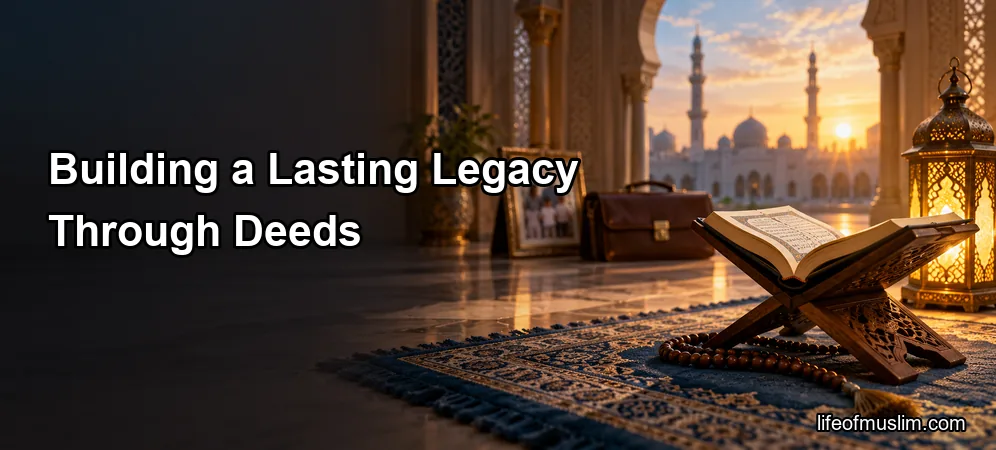
Family, work, possessions, and plans occupy much of daily life. Islam does not teach us to neglect these responsibilities, but it does teach us to see their limits. Sahih Muslim 2960 gives a clear reminder: family and wealth return after the funeral, while a person’s deeds remain.
Understand What Remains
The Prophet Muhammad ﷺ said that three things follow the deceased: family, wealth, and deeds. Family and wealth return, while the deeds remain (Sahih Muslim 2960). The hadith turns an unavoidable reality into practical guidance for the living.
People we love may accompany us with grief and prayer, but they cannot carry our personal record for us. Money can support good during life, yet ownership ends. What we chose to do becomes the lasting companion.
Use Wealth Instead of Serving It
Wealth is a tool, not a permanent identity. Earn lawfully, meet responsibilities, avoid waste, and direct some resources toward lasting benefit. A possession becomes valuable when it supports obedience, family care, useful learning, or service to others.
Do not postpone every good use of money until an imagined future of complete security. Plan responsibly, but remember that wealth left unused cannot perform a deed on your behalf by itself.
Love Family Without Depending on Their Record
Family relationships are blessings and responsibilities. Serve relatives, repair harm, teach good, and leave clear arrangements where needed. At the same time, do not assume that belonging to a respected family replaces personal faith and conduct.
A healthy legacy is not merely being remembered fondly. It includes the habits, knowledge, kindness, and responsible example that encouraged others toward good while you were present.
Build a Daily Record of Good
Lasting preparation grows through regular choices. Guard obligations, return rights, complete honest work, help someone quietly, and correct wrong actions promptly. Small deeds become significant when they form the direction of a life.
Choose a brief daily review. Ask what good was completed, what duty remains, and what harm needs repair. Then select one realistic action for the next day.
Do Not Turn Reflection Into Despair
Remembering death should produce clarity, not hopelessness. The hadith is a call to act while action is possible. Regret can become useful when it leads to repentance, restored rights, and better priorities.
Avoid dramatic promises that disappear quickly. Begin with steady worship and dependable service that can continue through ordinary weeks.
Conclusion
Sahih Muslim 2960 reminds believers that family and wealth return while deeds remain with the person. Use possessions responsibly, honour family relationships, and build a sincere daily record through worship, fulfilled duties, and quiet goodness. A meaningful legacy begins with what we choose to do today.
ایسی پائیدار میراث بنانا جس میں باقی رہنے والے اعمال ہوں
خاندان، کام، مال اور منصوبے روزمرہ زندگی کا بڑا حصہ لیتے ہیں۔ اسلام ان ذمہ داریوں کو نظر انداز کرنا نہیں سکھاتا، لیکن ان کی حد پہچاننا ضرور سکھاتا ہے۔ صحیح مسلم 2960 واضح یاد دہانی دیتی ہے: جنازے کے بعد خاندان اور مال واپس آ جاتے ہیں جبکہ انسان کے اعمال اس کے ساتھ رہتے ہیں۔
سمجھیں کہ کیا باقی رہتا ہے
نبی محمد ﷺ نے فرمایا کہ میت کے ساتھ تین چیزیں جاتی ہیں: گھر والے، مال اور اعمال۔ گھر والے اور مال واپس آ جاتے ہیں جبکہ اعمال باقی رہتے ہیں (صحیح مسلم 2960)۔ یہ حدیث ایک یقینی حقیقت کو زندہ لوگوں کے لیے عملی رہنمائی بناتی ہے۔
جن لوگوں سے ہم محبت کرتے ہیں وہ غم اور دعا کے ساتھ آ سکتے ہیں، لیکن ہمارا ذاتی اعمال نامہ نہیں اٹھا سکتے۔ مال زندگی میں نیکی کی مدد کر سکتا ہے، مگر ملکیت ختم ہو جاتی ہے۔ ہمارا کیا ہوا عمل پائیدار ساتھی بنتا ہے۔
مال کو استعمال کریں، اس کے خادم نہ بنیں
مال ایک ذریعہ ہے، مستقل شناخت نہیں۔ حلال کمائیں، ذمہ داریاں پوری کریں، فضول خرچی سے بچیں اور کچھ وسائل پائیدار فائدے کے لیے استعمال کریں۔ مال اس وقت قیمتی بنتا ہے جب اطاعت، خاندان کی دیکھ بھال، مفید علم یا دوسروں کی خدمت میں مدد دے۔
مال کے ہر اچھے استعمال کو مکمل تحفظ والے کسی خیالی مستقبل تک مؤخر نہ کریں۔ ذمہ داری سے منصوبہ بنائیں، لیکن یاد رکھیں کہ بغیر استعمال چھوڑا ہوا مال خود آپ کی طرف سے عمل نہیں کر سکتا۔
خاندان سے محبت کریں مگر ان کے اعمال پر انحصار نہ کریں
خاندانی تعلقات نعمت اور ذمہ داری ہیں۔ رشتہ داروں کی خدمت کریں، نقصان کی اصلاح کریں، بھلائی سکھائیں اور جہاں ضرورت ہو واضح انتظام چھوڑیں۔ ساتھ ہی یہ نہ سمجھیں کہ معزز خاندان سے تعلق ذاتی ایمان اور کردار کی جگہ لے لیتا ہے۔
اچھی میراث صرف محبت سے یاد کیے جانے کا نام نہیں۔ اس میں وہ عادات، علم، مہربانی اور ذمہ دار مثال بھی شامل ہیں جنہوں نے آپ کی موجودگی میں دوسروں کو نیکی کی طرف بڑھایا۔
نیکی کا روزانہ ریکارڈ بنائیں
پائیدار تیاری باقاعدہ فیصلوں سے بڑھتی ہے۔ فرائض کی حفاظت کریں، حقوق واپس کریں، کام دیانت سے مکمل کریں، خاموشی سے کسی کی مدد کریں اور غلط عمل کی جلد اصلاح کریں۔ چھوٹے اعمال اس وقت اہم بنتے ہیں جب وہ زندگی کی سمت بن جائیں۔
روزانہ مختصر جائزہ مقرر کریں۔ پوچھیں کون سی نیکی مکمل ہوئی، کون سی ذمہ داری باقی ہے اور کس نقصان کی اصلاح چاہیے۔ پھر اگلے دن کے لیے ایک قابل عمل قدم چنیں۔
غور و فکر کو مایوسی نہ بنائیں
موت کی یاد وضاحت پیدا کرے، ناامیدی نہیں۔ حدیث اس وقت عمل کی دعوت ہے جب عمل ممکن ہے۔ پچھتاوا اس وقت مفید بنتا ہے جب توبہ، حقوق کی واپسی اور بہتر ترجیحات کی طرف لے جائے۔
ایسے بڑے وعدوں سے بچیں جو جلد ختم ہو جائیں۔ مستقل عبادت اور قابل اعتماد خدمت سے آغاز کریں جو عام ہفتوں میں بھی جاری رہ سکے۔
نتیجہ
صحیح مسلم 2960 مومنوں کو یاد دلاتی ہے کہ خاندان اور مال واپس آ جاتے ہیں جبکہ اعمال انسان کے ساتھ رہتے ہیں۔ مال ذمہ داری سے استعمال کریں، خاندانی تعلقات کا حق ادا کریں اور عبادت، پوری ذمہ داریوں اور خاموش نیکی کے ذریعے مخلص روزانہ ریکارڈ بنائیں۔ معنی خیز میراث آج کے عمل سے شروع ہوتی ہے۔
References
Sahih Muslim — Book 55, The Book of Zuhd and Softening of Hearts; Hadith 2960; in-book reference Book 55, Hadith 8