Giving can feel easy when resources are plentiful and difficult when the future seems uncertain. Islam teaches a believer to view charity through trust in Allah, sincere intention, and concern for people in need. The amount matters less than making generosity a genuine and responsible part of life.
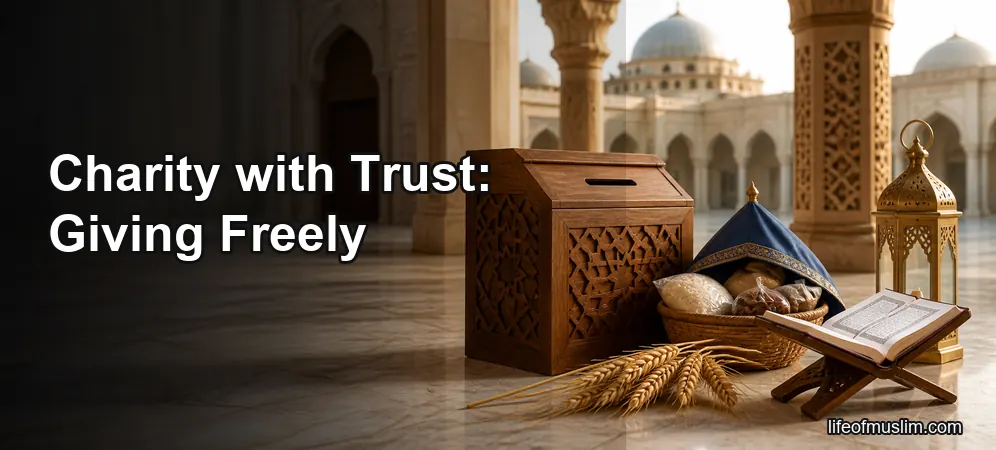
Surah Al-Baqarah 2:261 presents the example of wealth spent in Allah’s cause as a single grain growing seven ears, with one hundred grains in each ear. The image shows how Allah can multiply the reward of sincere giving far beyond what the giver first sees.
“And Allah multiplies ˹the reward even more˺ to whoever He wills.”
Charity Does Not Reduce True Wealth
“Charity does not decrease wealth.”
This concise teaching of the Prophet ﷺ appears in Sahih Muslim. Giving naturally changes the amount we possess at that moment, yet the hadith teaches believers not to understand charity as simple loss. A Muslim gives with confidence in Allah’s wisdom and reward rather than allowing fear alone to control every decision.
Make Giving Regular and Realistic
Generosity becomes easier when it is planned. Set aside a small, affordable amount each week or month. A modest habit that continues can be more manageable than waiting for a large amount that may never feel available.
Charity is not limited to emergencies. Support reliable efforts that provide food, education, medical care, or other genuine needs. Check organizations and requests carefully so that money reaches an appropriate destination. Responsible verification protects both the giver and the recipient.
Protect the Recipient’s Dignity
Give without making a person feel exposed, inferior, or indebted. Avoid unnecessary photographs, public details, and language that turns someone’s hardship into promotion. When possible, ask what is actually needed rather than assuming.
Kindness should continue after the gift. Speak respectfully, preserve privacy, and do not repeatedly remind a recipient of what was given. Charity is most beautiful when assistance and dignity travel together.
Give from More Than Money
Financial help is important, but generosity can also include time, useful skills, transport, food, patient attention, or practical support. Notice what you can offer without neglecting responsibilities. A person who cannot give much money may still remove a meaningful burden from another household.
Conclusion
Charity joins compassion with trust in Allah. The Quran illustrates multiplied reward, and the Prophet ﷺ teaches that charity does not decrease wealth. Begin with an amount or service you can sustain, give responsibly, and protect the dignity of the person receiving help.
صدقہ اللہ پر بھروسے کا عمل ہے
وسائل زیادہ ہوں تو دینا آسان محسوس ہو سکتا ہے، لیکن مستقبل غیر یقینی لگے تو مشکل بن جاتا ہے۔ اسلام مومن کو صدقے کو اللہ پر بھروسے، خالص نیت اور ضرورت مند لوگوں کی فکر کے ساتھ دیکھنا سکھاتا ہے۔ مقدار سے زیادہ اہم یہ ہے کہ سخاوت زندگی کا حقیقی اور ذمہ دار حصہ بنے۔
سورۃ البقرہ 2:261 میں اللہ کی راہ میں خرچ کیے گئے مال کی مثال ایک ایسے دانے سے دی گئی ہے جو سات بالیاں اگاتا ہے اور ہر بالی میں سو دانے ہوتے ہیں۔ یہ تصویر بتاتی ہے کہ اللہ سچے خرچ کے اجر کو دینے والے کے ابتدائی اندازے سے کہیں زیادہ بڑھا سکتا ہے۔
مفہوم: ”اور اللہ جس کے لیے چاہتا ہے اجر کو مزید بڑھا دیتا ہے۔“
صدقہ حقیقی دولت کو کم نہیں کرتا
مفہوم: ”صدقہ مال کو کم نہیں کرتا۔“
نبی کریم ﷺ کی یہ مختصر تعلیم صحیح مسلم میں آتی ہے۔ دینے سے اس وقت ہمارے پاس موجود رقم یقیناً بدلتی ہے، لیکن حدیث مومن کو صدقے کو محض نقصان سمجھنے سے روکتی ہے۔ مسلمان ہر فیصلے کو صرف خوف کے تابع کرنے کے بجائے اللہ کی حکمت اور اجر پر اعتماد کے ساتھ دیتا ہے۔
دینے کو باقاعدہ اور حقیقت پسندانہ بنائیں
سخاوت منصوبہ بندی سے آسان ہوتی ہے۔ ہر ہفتے یا مہینے ایک مختصر اور قابلِ برداشت رقم الگ رکھیں۔ جاری رہنے والی چھوٹی عادت اس بڑی رقم کے انتظار سے زیادہ قابلِ عمل ہو سکتی ہے جو کبھی دستیاب محسوس نہ ہو۔
صدقہ صرف ہنگامی حالات تک محدود نہیں۔ ایسے معتبر کاموں کی مدد کریں جو کھانا، تعلیم، علاج یا دوسری حقیقی ضروریات پوری کرتے ہوں۔ اداروں اور درخواستوں کی اچھی طرح جانچ کریں تاکہ رقم مناسب جگہ پہنچے۔ ذمہ دارانہ تحقیق دینے والے اور وصول کرنے والے دونوں کی حفاظت کرتی ہے۔
وصول کرنے والے کے وقار کی حفاظت کریں
اس انداز سے دیں کہ کسی کو بے پردہ، کمتر یا مقروض محسوس نہ ہو۔ غیر ضروری تصاویر، ذاتی تفصیلات اور ایسے الفاظ سے بچیں جو کسی کی مشکل کو تشہیر بنا دیں۔ جہاں ممکن ہو، اندازہ لگانے کے بجائے پوچھیں کہ حقیقی ضرورت کیا ہے۔
تحفے یا مدد کے بعد بھی حسنِ سلوک جاری رہنا چاہیے۔ احترام سے بات کریں، رازداری محفوظ رکھیں اور بار بار اپنی دی ہوئی چیز نہ جتائیں۔ صدقہ اس وقت زیادہ خوبصورت بنتا ہے جب مدد اور عزت ساتھ چلیں۔
مال کے علاوہ بھی دیں
مالی مدد اہم ہے، لیکن سخاوت میں وقت، مفید مہارت، آمدورفت، کھانا، صبر سے سننا یا عملی تعاون بھی شامل ہو سکتا ہے۔ اپنی ذمہ داریوں کو نظر انداز کیے بغیر دیکھیں کہ آپ کیا پیش کر سکتے ہیں۔ کم رقم دینے والا شخص بھی کسی گھر کا اہم بوجھ ہلکا کر سکتا ہے۔
خلاصہ
صدقہ ہمدردی کو اللہ پر بھروسے کے ساتھ جوڑتا ہے۔ قرآن بڑھتے ہوئے اجر کی مثال دیتا ہے اور نبی کریم ﷺ سکھاتے ہیں کہ صدقہ مال کو کم نہیں کرتا۔ ایسی رقم یا خدمت سے آغاز کریں جسے جاری رکھ سکیں، ذمہ داری سے دیں اور مدد لینے والے کے وقار کی حفاظت کریں۔
References
Quran — Surah Al-Baqarah, 2:261
Sahih Muslim — The Book of Virtue, Enjoining Good Manners, and Joining the Ties of Kinship, Chapter: It Is Recommended to Forgive and Be Humble, Hadith 2588 (Book 45, Hadith 90)