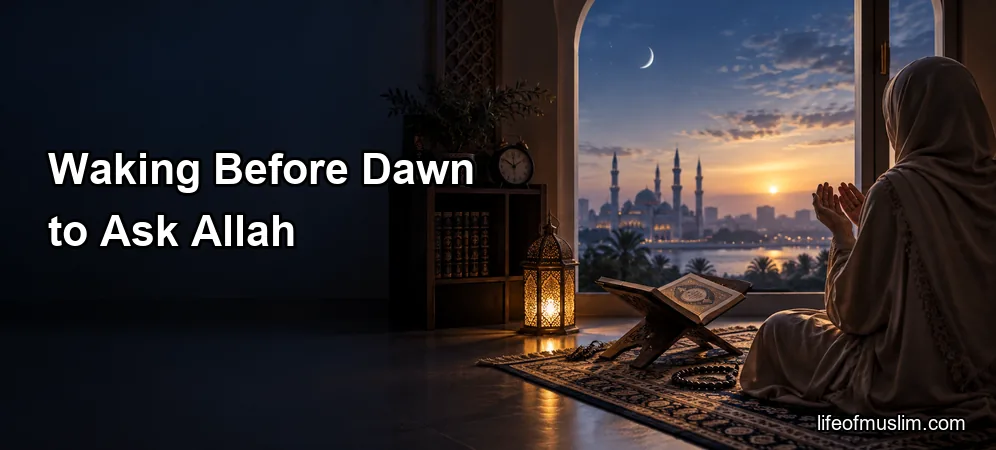
The final hours before dawn are often quiet. Daily noise has settled, distractions are fewer, and the heart may speak with unusual honesty. The Prophet Muhammad ﷺ taught believers about the special invitation to pray, ask, and seek forgiveness during the last third of the night.
A Prophetic Invitation in the Last Third
Abu Hurairah reported that Allah’s Messenger ﷺ said: “Our Lord, the Blessed, the Superior, comes every night down on the nearest Heaven to us when the last third of the night remains, saying: ‘Is there anyone to invoke Me, so that I may respond to invocation? Is there anyone to ask Me, so that I may grant him his request? Is there anyone seeking My forgiveness, so that I may forgive him?’” (Sahih al-Bukhari 1145).
Muslims affirm this authentic wording respectfully without entering unnecessary speculation about how. The hadith directs practical attention toward worship: invocation, asking Allah, and seeking forgiveness.
Begin with a Realistic Routine
Not everyone can wake for a long period every night. Work, illness, caregiving, age, and other responsibilities differ. Begin with what is manageable. Wake a little before Fajr, make wudu, pray what you can, and spend a few sincere minutes in dua and istighfar.
A small routine performed carefully is better than an ambitious plan that produces exhaustion and is quickly abandoned. Protect the obligatory Fajr prayer first. Night worship should support faithful living, not make a person careless about duties, health, or the rights of others.
Ask Allah with Hope and Honesty
Bring real needs before Allah: guidance, forgiveness, steadfast faith, lawful provision, healing, family wellbeing, relief from worry, and help with difficult decisions. Use clear words you understand. There is no need to perform for anyone because this worship may remain entirely private.
Hope does not require certainty that every request will be answered in the exact form or time we imagine. The hadith encourages believers to call upon Allah, while submission means trusting His wisdom. Continue asking, take lawful practical steps, and avoid despair.
Make Forgiveness a Central Request
The hadith specifically mentions seeking forgiveness. Use the quiet time to admit mistakes without excuses, feel sincere regret, ask Allah to forgive, and resolve to leave the wrong. If another person’s rights were harmed, repentance also requires appropriate repair and return of those rights.
Do not wait until you feel spiritually perfect. Waking before dawn is itself an opportunity to return after neglect. Speak to Allah with humility, knowing that forgiveness is needed repeatedly.
Prepare Before Sleeping
Sleep at a reasonable time when possible. Set a gentle alarm, place the phone away from the bed, and prepare clean clothes or a prayer space. Decide beforehand what you want to ask so tiredness does not leave the time unfocused.
If you miss the routine, do not turn one difficult night into complete abandonment. Protect Fajr, continue your daytime obligations, and try again. Consistency grows through patient adjustment rather than self-condemnation.
Conclusion
Sahih al-Bukhari 1145 presents the last third of the night as a precious time for invocation, requests, and forgiveness. By waking with a realistic plan, protecting obligatory prayer, asking sincerely, and returning after missed nights, believers can make the quiet before dawn a regular meeting place for hope and humility.
فجر سے پہلے امید اور عاجزی کے ساتھ اللہ سے مانگنا
فجر سے پہلے کے آخری اوقات اکثر پرسکون ہوتے ہیں۔ روزمرہ شور تھم چکا ہوتا ہے، توجہ بٹانے والی چیزیں کم ہوتی ہیں، اور دل غیر معمولی سچائی سے بات کرسکتا ہے۔ نبی کریم ﷺ نے مومنوں کو رات کے آخری تہائی حصے میں دعا، سوال اور مغفرت طلب کرنے کی خاص دعوت کے بارے میں بتایا۔
آخری تہائی میں نبوی دعوت
حضرت ابو ہریرہ رضی اللہ عنہ سے روایت ہے کہ رسول اللہ ﷺ نے فرمایا، مفہوم: ہمارا رب، جو بابرکت اور بلند ہے، ہر رات جب آخری تہائی باقی رہتا ہے تو قریب والے آسمان پر نزول فرماتا ہے اور کہتا ہے: کون ہے جو مجھے پکارے کہ میں اس کی دعا قبول کروں؟ کون ہے جو مجھ سے مانگے کہ میں اسے عطا کروں؟ کون ہے جو مجھ سے مغفرت چاہے کہ میں اسے بخش دوں؟ (صحیح البخاری 1145)۔
مسلمان اس صحیح روایت کے الفاظ کو احترام کے ساتھ مانتے ہیں اور کیفیت کے بارے میں غیر ضروری قیاس میں نہیں پڑتے۔ حدیث عملی توجہ عبادت کی طرف لے جاتی ہے: اللہ کو پکارنا، اس سے مانگنا، اور مغفرت چاہنا۔
حقیقت پسندانہ معمول سے آغاز کریں
ہر شخص ہر رات طویل وقت کے لیے نہیں جاگ سکتا۔ کام، بیماری، دیکھ بھال، عمر اور دوسری ذمہ داریاں مختلف ہوتی ہیں۔ اپنی استطاعت سے آغاز کریں۔ فجر سے کچھ پہلے جاگیں، وضو کریں، جتنی نماز ممکن ہو ادا کریں، اور چند مخلص منٹ دعا و استغفار میں گزاریں۔
احتیاط سے کیا گیا چھوٹا معمول اس بڑے منصوبے سے بہتر ہے جو تھکا دے اور جلد چھوٹ جائے۔ سب سے پہلے فرض فجر کی حفاظت کریں۔ رات کی عبادت ایمانی زندگی کی مدد کرے، انسان کو فرائض، صحت یا دوسروں کے حقوق سے غافل نہ بنائے۔
امید اور سچائی کے ساتھ اللہ سے مانگیں
حقیقی ضرورتیں اللہ کے سامنے رکھیں: ہدایت، مغفرت، ایمان پر ثابت قدمی، حلال رزق، شفا، خاندانی بھلائی، فکر سے نجات، اور مشکل فیصلوں میں مدد۔ وہ صاف الفاظ استعمال کریں جو آپ سمجھتے ہوں۔ کسی کے سامنے دکھانے کی ضرورت نہیں کیونکہ یہ عبادت مکمل طور پر خفیہ رہ سکتی ہے۔
امید کا مطلب یہ یقین نہیں کہ ہر درخواست عین اسی شکل اور وقت میں پوری ہوگی جو ہم سوچتے ہیں۔ حدیث اللہ کو پکارنے کی ترغیب دیتی ہے جبکہ تسلیم اس کی حکمت پر بھروسا ہے۔ مانگتے رہیں، جائز عملی قدم اٹھائیں، اور مایوسی سے بچیں۔
مغفرت کو مرکزی درخواست بنائیں
حدیث خاص طور پر مغفرت طلب کرنے کا ذکر کرتی ہے۔ خاموش وقت میں بہانے کے بغیر غلطیاں مانیں، سچی ندامت محسوس کریں، اللہ سے معافی مانگیں، اور گناہ چھوڑنے کا ارادہ کریں۔ اگر کسی دوسرے کا حق متاثر ہوا ہو تو توبہ میں مناسب اصلاح اور حق واپس کرنا بھی شامل ہے۔
روحانی کمال محسوس ہونے کا انتظار نہ کریں۔ فجر سے پہلے جاگنا غفلت کے بعد لوٹنے کا موقع ہے۔ عاجزی سے اللہ سے بات کریں اور جانیں کہ بار بار مغفرت کی ضرورت ہے۔
سونے سے پہلے تیاری کریں
ممکن ہو تو مناسب وقت پر سوئیں۔ نرم الارم لگائیں، فون بستر سے دور رکھیں، اور صاف کپڑے یا نماز کی جگہ تیار کریں۔ پہلے طے کرلیں کہ کیا مانگنا ہے تاکہ تھکن وقت کو بے توجہ نہ کردے۔
اگر معمول رہ جائے تو ایک مشکل رات کو مکمل ترک کرنے کا سبب نہ بنائیں۔ فجر کی حفاظت کریں، دن کی ذمہ داریاں جاری رکھیں، اور دوبارہ کوشش کریں۔ مستقل مزاجی خود کو ملامت کرنے کے بجائے صبر سے معمول بہتر بنانے سے بڑھتی ہے۔
نتیجہ
صحیح البخاری 1145 رات کے آخری تہائی حصے کو دعا، سوال اور مغفرت کے لیے قیمتی وقت بیان کرتی ہے۔ حقیقت پسندانہ منصوبے کے ساتھ جاگ کر، فرض نماز کی حفاظت کرکے، خلوص سے مانگ کر، اور چھوٹ جانے کے بعد دوبارہ لوٹ کر مومن فجر سے پہلے کی خاموشی کو امید اور عاجزی کی باقاعدہ ملاقات بنا سکتے ہیں۔
References
Sahih al-Bukhari — Book 19 (Prayer at Night), Chapter 14, Hadith 26; Reference 1145