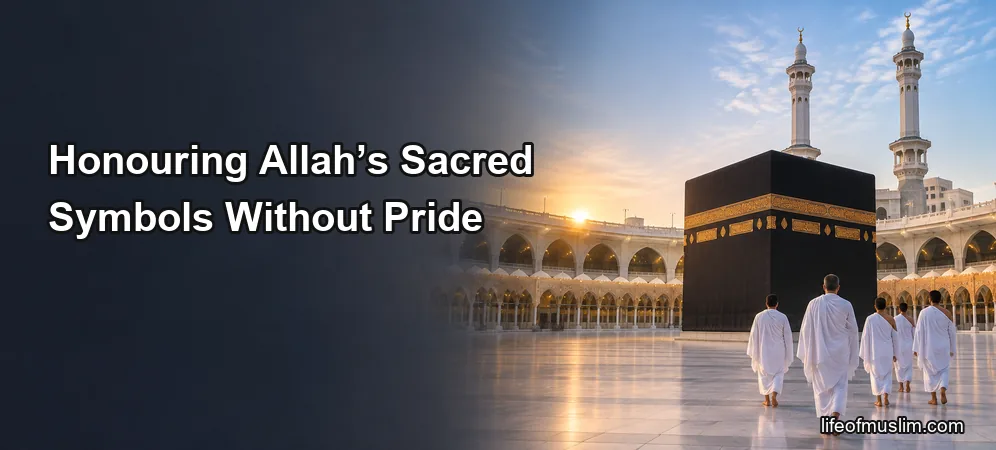
Sacred worship deserves more than outward attention. Quran 22:32 says, “Whoever honours the symbols of Allah, it is certainly out of the piety of the heart.” In its setting within Surah Al-Hajj, the verse directs attention to the sacred rites and signs connected with worship. Their honour is not a performance for people; it grows from a heart conscious of Allah.
This balance protects us from two errors. Neglect treats sacred matters casually, while empty display preserves an impressive appearance without sincere obedience. True reverence brings correct practice, humility, cleanliness, patience, and respect for the rights of other worshippers.
Learn Before Approaching Sacred Rites
Honour begins with accurate knowledge. Before Hajj or Umrah, learn the essential rites, their order, and the boundaries that must be observed. Ask qualified teachers about matters you do not understand. Do not rely only on short clips, forwarded messages, or memories of another person’s journey.
Preparation is also practical. Arrange lawful finances, travel documents, necessary health care, suitable clothing, and family responsibilities. Thoughtful preparation reduces confusion and helps a pilgrim focus on worship rather than preventable problems.
Respect Sacred Places Through Conduct
The Kaaba, the Sacred Mosque, the state of ihram, and the rites of Hajj should shape our behaviour. Lower the voice when others are praying, keep pathways clear, follow safety instructions, and place rubbish where it belongs. Do not push, block doors, reserve excessive space, or treat access to a sacred location as a personal entitlement.
Respect also means protecting people from harm. Older pilgrims, children, people with disabilities, and those unfamiliar with the area may need patience and room. Helping them quietly can be a more truthful sign of reverence than reaching a preferred spot at someone else’s expense.
Do Not Turn Worship Into a Public Performance
Photographs and messages can help families remain informed, but constant recording can distract the heart and inconvenience others. Before taking a picture or posting an update, ask whether it serves a real need, interrupts worship, exposes someone without permission, or turns a private act into a search for praise.
There is no need to advertise every prayer, tear, sacrifice, or charitable act. Preserve moments that belong between you and Allah. Sincerity is strengthened when some good deeds remain unseen and when the quality of worship matters more than the appearance of devotion.
Avoid Pride in Knowledge or Access
Knowing the rites, visiting sacred places, or completing Hajj does not make a person superior to others. These blessings should increase gratitude and gentleness. Correct mistakes carefully, without embarrassing a pilgrim in public or treating cultural differences as religious faults.
Likewise, do not judge the piety of others by clothing, language, wealth, or how confidently they perform a rite. Allah knows the hearts. We can encourage correct practice while remaining aware of our own need for acceptance and forgiveness.
Carry Reverence Home
Honouring Allah’s sacred symbols should leave a mark after the journey or ritual ends. A person who stood patiently in worship should become more patient at home. Someone who guarded the rules of ihram should also guard the rights of family, neighbours, workers, and strangers.
Keep one practical lesson from the experience: regular prayer on time, cleaner speech, lawful earning, less waste, or consistent service to others. The heart’s piety is not confined to a sacred location; it should guide ordinary decisions as well.
Conclusion
Honouring Allah’s sacred symbols is a matter of knowledge, sincere intention, careful conduct, and humble obedience. Learn the rites, prepare responsibly, protect the dignity and safety of others, limit distracting display, and reject pride. When outward respect is joined to inward piety, sacred worship reforms both the moment and the life that follows it.
فخر، غفلت اور خالی دکھاوے کے بغیر اللہ کی نشانیوں کی تعظیم
مقدس عبادت صرف ظاہری توجہ سے زیادہ کی مستحق ہے۔ قرآن 22:32 میں بتایا گیا ہے کہ جو اللہ کی نشانیوں کی تعظیم کرے تو یہ دلوں کے تقویٰ سے ہے۔ سورۃ الحج کے سیاق میں یہ آیت عبادت سے متعلق مقدس شعائر اور نشانیوں کی طرف توجہ دلاتی ہے۔ ان کی تعظیم لوگوں کو دکھانے کی چیز نہیں، بلکہ اللہ سے باخبر دل سے پیدا ہوتی ہے۔
یہ توازن ہمیں دو غلطیوں سے بچاتا ہے۔ غفلت مقدس امور کو معمولی بنا دیتی ہے، جبکہ خالی دکھاوا مخلصانہ اطاعت کے بغیر متاثر کن صورت قائم رکھتا ہے۔ سچی تعظیم درست عمل، عاجزی، صفائی، صبر اور دوسرے عبادت گزاروں کے حقوق کے احترام کو جنم دیتی ہے۔
مقدس مناسک کے قریب جانے سے پہلے سیکھیں
تعظیم درست علم سے شروع ہوتی ہے۔ حج یا عمرہ سے پہلے بنیادی مناسک، ان کی ترتیب اور ضروری حدود سیکھیں۔ جو بات سمجھ نہ آئے اس کے بارے میں اہل علم سے پوچھیں۔ صرف مختصر ویڈیوز، آگے بھیجے گئے پیغامات یا کسی دوسرے شخص کے سفر کی یادوں پر انحصار نہ کریں۔
تیاری عملی بھی ہونی چاہیے۔ حلال مالی وسائل، سفری دستاویزات، ضروری صحت کی دیکھ بھال، مناسب لباس اور گھریلو ذمہ داریوں کا انتظام کریں۔ سوچ سمجھ کر تیاری پریشانی کم کرتی ہے اور حاجی کو ایسی مشکلات کے بجائے عبادت پر توجہ دینے میں مدد دیتی ہے جن سے پہلے ہی بچا جا سکتا تھا۔
اپنے طرز عمل سے مقدس مقامات کا احترام کریں
کعبہ، مسجد الحرام، حالت احرام اور حج کے مناسک ہمارے رویے کو سنوارنے چاہییں۔ جب دوسرے نماز پڑھ رہے ہوں تو آواز پست رکھیں، راستے کھلے رکھیں، حفاظتی ہدایات پر عمل کریں اور کچرا مقررہ جگہ پر ڈالیں۔ دھکم پیل نہ کریں، دروازے نہ روکیں، ضرورت سے زیادہ جگہ نہ گھیریں اور مقدس مقام تک رسائی کو اپنا ذاتی حق نہ سمجھیں۔
احترام کا مطلب لوگوں کو نقصان سے بچانا بھی ہے۔ بزرگ، بچے، معذور افراد اور مقام سے ناواقف لوگ صبر اور جگہ کے محتاج ہو سکتے ہیں۔ خاموشی سے ان کی مدد کرنا کسی دوسرے کا حق چھین کر پسندیدہ مقام تک پہنچنے سے زیادہ سچی تعظیم کی علامت ہو سکتا ہے۔
عبادت کو عوامی نمائش نہ بنائیں
تصاویر اور پیغامات گھر والوں کو باخبر رکھنے میں مدد دے سکتے ہیں، لیکن مسلسل ریکارڈنگ دل کو غافل اور دوسروں کو پریشان کر سکتی ہے۔ تصویر لینے یا کچھ شائع کرنے سے پہلے پوچھیں کہ کیا اس کی حقیقی ضرورت ہے، کیا یہ عبادت میں رکاوٹ بنتا ہے، کسی کو اجازت کے بغیر ظاہر کرتا ہے یا ذاتی عبادت کو تعریف حاصل کرنے کا ذریعہ بناتا ہے۔
ہر نماز، آنسو، قربانی یا صدقے کی تشہیر ضروری نہیں۔ کچھ لمحے اپنے اور اللہ کے درمیان محفوظ رکھیں۔ اخلاص اس وقت مضبوط ہوتا ہے جب بعض نیک اعمال پوشیدہ رہیں اور عبادت کا معیار دینداری کے ظاہر سے زیادہ اہم ہو۔
علم یا رسائی پر فخر سے بچیں
مناسک کا علم، مقدس مقامات کی زیارت یا حج کی تکمیل کسی انسان کو دوسروں سے برتر نہیں بناتی۔ ان نعمتوں سے شکر اور نرمی بڑھنی چاہیے۔ کسی حاجی کو سب کے سامنے شرمندہ کیے بغیر نرمی سے غلطی درست کریں اور ثقافتی فرق کو دینی غلطی نہ سمجھیں۔
اسی طرح کسی کی دینداری کا فیصلہ لباس، زبان، دولت یا مناسک ادا کرنے کے اعتماد سے نہ کریں۔ اللہ دلوں کو جانتا ہے۔ ہم درست عمل کی ترغیب دے سکتے ہیں اور ساتھ ہی اپنی قبولیت اور مغفرت کی ضرورت کو یاد رکھ سکتے ہیں۔
تعظیم کو اپنے گھر تک لے جائیں
اللہ کی نشانیوں کی تعظیم کا اثر سفر یا عبادت ختم ہونے کے بعد بھی رہنا چاہیے۔ جو شخص عبادت میں صبر سے کھڑا رہا، اسے گھر میں بھی زیادہ صابر ہونا چاہیے۔ جس نے احرام کے احکام کی حفاظت کی، اسے خاندان، پڑوسیوں، کارکنوں اور اجنبیوں کے حقوق کی بھی حفاظت کرنی چاہیے۔
اس تجربے سے ایک عملی سبق مستقل کر لیں: وقت پر نماز، پاکیزہ گفتگو، حلال کمائی، کم فضول خرچی یا دوسروں کی باقاعدہ خدمت۔ دل کا تقویٰ صرف مقدس مقام تک محدود نہیں؛ اسے عام روزمرہ فیصلوں کی بھی رہنمائی کرنی چاہیے۔
خلاصہ
اللہ کی مقدس نشانیوں کی تعظیم علم، خالص نیت، محتاط طرز عمل اور عاجزانہ اطاعت کا معاملہ ہے۔ مناسک سیکھیں، ذمہ داری سے تیاری کریں، دوسروں کی عزت اور حفاظت کا خیال رکھیں، توجہ ہٹانے والے دکھاوے کو محدود کریں اور فخر سے بچیں۔ جب ظاہری احترام اندرونی تقویٰ کے ساتھ ملتا ہے تو مقدس عبادت اس لمحے اور اس کے بعد کی زندگی دونوں کی اصلاح کرتی ہے۔