People naturally notice clothing, possessions, confidence, and social position. These outward signs can influence respect even though they do not reliably reveal sincerity, humility, or moral courage.
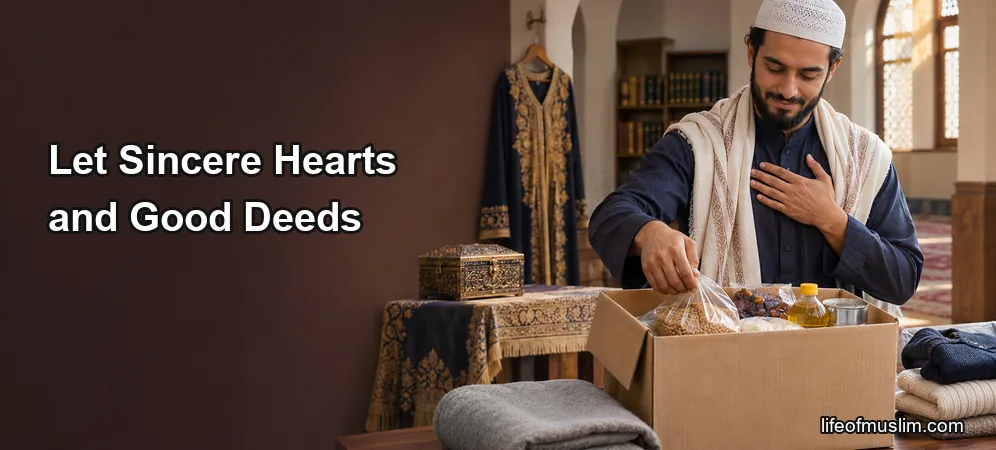
In Sahih Muslim 2564c, the Prophet Muhammad ﷺ taught that Allah does not look to faces and wealth, but to hearts and deeds. The hadith redirects attention from status to the inner intention and the actions that intention produces.
A Sincere Heart Must Produce Honest Action
Sincerity is not merely a private feeling that excuses poor conduct. The hadith joins hearts with deeds. A sound intention should become truthful speech, fulfilled duties, fair treatment, repentance after mistakes, and service that does not depend on applause.
Before an action, ask whom you are trying to please. During it, notice whether recognition is changing your behaviour. Afterward, avoid repeatedly advertising what could remain private. This gentle review helps intention and action stay connected.
Do Not Measure People by Wealth or Style
Expensive possessions do not prove honour, and limited means do not reduce a person’s dignity. Welcome people without creating a social test based on brands, homes, accents, occupations, or online popularity.
Communities can apply this by offering equal greetings, listening seriously to quieter members, and choosing responsibility based on character and ability rather than display. Respect should not rise and fall with someone’s purchasing power.
Outward Care Still Has Its Place
The hadith does not teach neglect of cleanliness, modesty, lawful presentation, or responsibilities that have an outward form. It teaches that appearance and wealth are not the standard by which Allah evaluates hearts and deeds.
Care for the outward in a balanced way, without turning it into superiority. Clean clothing, orderly work, and considerate presentation can serve others. They become harmful when used to shame, deceive, compete in pride, or hide injustice.
Build Private Deeds That Train the Heart
Regular private good deeds protect the heart from dependence on attention. Make a quiet dua, correct a hidden wrong, help someone confidentially, or complete an unseen duty with excellence. No one else needs to know.
Also examine motives without becoming trapped in anxiety. Mixed feelings can be corrected by renewing intention and continuing lawful good. The answer to imperfect sincerity is honest struggle, not abandoning beneficial action.
Conclusion
Sahih Muslim 2564c establishes a liberating standard: hearts and deeds outweigh faces and wealth. We honour it by purifying intention, acting responsibly, resisting status-based judgment, and treating every person with dignity. The most valuable life is not the most impressive display, but the one in which sincere faith becomes steady good action.
اللہ اس چیز کو قدر دیتا ہے جو ظاہری شکل ثابت نہیں کر سکتی
لوگ فطری طور پر لباس، مال، اعتماد اور سماجی حیثیت کو دیکھتے ہیں۔ یہ ظاہری نشان عزت کے رویے پر اثر ڈال سکتے ہیں حالانکہ یہ اخلاص، عاجزی یا اخلاقی ہمت کو قابل اعتماد طور پر ظاہر نہیں کرتے۔
صحیح مسلم 2564c میں نبی کریم ﷺ نے سکھایا کہ اللہ چہروں اور مال کو نہیں بلکہ دلوں اور اعمال کو دیکھتا ہے۔ یہ حدیث توجہ کو حیثیت سے ہٹا کر اندرونی نیت اور اس نیت سے پیدا ہونے والے عمل کی طرف لے جاتی ہے۔
مخلص دل سچے عمل میں ظاہر ہونا چاہیے
اخلاص صرف ایک ذاتی احساس نہیں جو خراب عمل کو معاف کر دے۔ حدیث دل اور عمل کو ایک ساتھ رکھتی ہے۔ درست نیت سچی گفتگو، ذمہ داری پوری کرنے، منصفانہ برتاؤ، غلطی کے بعد توبہ اور ایسی خدمت میں نظر آنی چاہیے جو تعریف کی محتاج نہ ہو۔
عمل سے پہلے پوچھیں کہ آپ کس کو راضی کرنا چاہتے ہیں۔ عمل کے دوران دیکھیں کہ لوگوں کی توجہ آپ کے رویے کو بدل تو نہیں رہی۔ بعد میں اس نیکی کو بار بار ظاہر نہ کریں جو پوشیدہ رہ سکتی ہے۔ یہ نرم جائزہ نیت اور عمل کا تعلق قائم رکھتا ہے۔
لوگوں کو مال اور انداز سے نہ ناپیں
مہنگی چیزیں عزت ثابت نہیں کرتیں اور کم وسائل انسان کی عزت کم نہیں کرتے۔ لوگوں کا استقبال برانڈ، گھر، لہجے، پیشے یا آن لائن مقبولیت کی سماجی آزمائش بنائے بغیر کریں۔
معاشرہ سب کو برابر سلام، خاموش افراد کی بات سنجیدگی سے سننے اور ذمہ داری کردار و صلاحیت کی بنیاد پر دینے سے اس اصول پر عمل کر سکتا ہے۔ کسی کی خریدنے کی طاقت کے ساتھ احترام بڑھنا یا گھٹنا نہیں چاہیے۔
ظاہری دیکھ بھال کی اپنی جگہ ہے
یہ حدیث صفائی، پردہ، جائز پیشکش یا ظاہری صورت رکھنے والی ذمہ داریوں کو چھوڑنے کی تعلیم نہیں دیتی۔ یہ بتاتی ہے کہ ظاہری شکل اور مال وہ معیار نہیں جس سے اللہ دل اور عمل کی قدر فرماتا ہے۔
ظاہر کا متوازن خیال رکھیں مگر اسے برتری نہ بنائیں۔ صاف لباس، منظم کام اور باادب پیشکش دوسروں کے لیے آسانی پیدا کر سکتے ہیں۔ یہ اس وقت نقصان دہ بنتے ہیں جب ان سے کسی کو شرمندہ کیا جائے، دھوکا دیا جائے، تکبر کی دوڑ لگائی جائے یا ظلم چھپایا جائے۔
پوشیدہ نیکیوں سے دل کی تربیت کریں
باقاعدہ پوشیدہ نیکیاں دل کو لوگوں کی توجہ پر انحصار سے بچاتی ہیں۔ خاموش دعا کریں، پوشیدہ غلطی درست کریں، رازداری سے کسی کی مدد کریں یا ایسی ذمہ داری بہترین انداز میں پوری کریں جسے کوئی نہ دیکھے۔ دوسروں کو بتانا ضروری نہیں۔
اپنی نیت کا جائزہ لیں مگر بے چینی میں نہ پھنسیں۔ ملے جلے احساسات کو نیت تازہ کر کے اور جائز نیکی جاری رکھ کر درست کیا جا سکتا ہے۔ نامکمل اخلاص کا جواب مفید عمل چھوڑنا نہیں بلکہ سچی جدوجہد ہے۔
خلاصہ
صحیح مسلم 2564c ایک آزاد کرنے والا معیار دیتی ہے: دل اور اعمال چہروں اور مال سے زیادہ اہم ہیں۔ ہم نیت پاک کر کے، ذمہ دار عمل کر کے، حیثیت کی بنیاد پر فیصلے سے بچ کر اور ہر انسان کو عزت دے کر اس تعلیم پر عمل کرتے ہیں۔ سب سے قیمتی زندگی سب سے نمایاں نمائش نہیں بلکہ وہ ہے جس میں مخلص ایمان مستقل نیک عمل بنے۔
References
Sahih Muslim — Book 45, The Book of Virtue, Enjoining Good Manners, and Joining the Ties of Kinship, Chapter 10, Hadith 2564c (in-book Hadith 42)