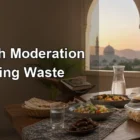
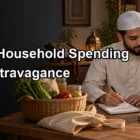
Money is a trust that affects worship, family stability, charity, and daily choices. The Quran praises neither careless excess nor fearful withholding. It teaches a steady middle path in which spending is purposeful, responsible, and free from both waste and stinginess.
The Quranic Standard of Moderation
Allah describes the servants of the Most Compassionate as “those who spend neither wastefully nor stingily, but moderately in between.” This concise verse places financial moderation within faithful character. Balanced spending is not indifference; it is disciplined use of what Allah has provided.
The exact amount will differ between households and circumstances. The principle remains: avoid unnecessary excess, do not withhold what should rightly be given, and seek a sustainable balance.
Separate Needs, Responsibilities, and Preferences
Begin by identifying obligations such as food, housing, essential transport, debts, family rights, and agreed commitments. Then distinguish useful preferences from purchases driven mainly by pressure, comparison, or impulse.
A preference is not automatically wrong. The question is whether it fits the household’s means without displacing a duty or creating avoidable hardship.
Recognise Waste Before It Becomes Routine
Waste can appear in unused food, repeated subscriptions, neglected possessions, excessive upgrades, or buying more than can be managed. Small habits matter because they become ordinary and difficult to notice.
Review what is thrown away, forgotten, or rarely used. Plan quantities carefully, maintain useful belongings, and pause before non-essential purchases. Moderation protects resources without turning daily life into constant anxiety.
Avoid Stinginess Toward Legitimate Rights
Saving money is not the same as withholding necessary care. Stinginess may appear when a person can meet a responsibility but refuses reasonable support, delays an owed payment, or avoids charity only to preserve comfort.
Be fair to dependants, workers, creditors, and people whose rights are connected to your spending. Generosity should be sincere and within means, while obligations should not depend on mood.
Give Charity Without Destabilising Responsibilities
Charity trains the heart to release attachment to wealth, but it should be given responsibly. Set aside a realistic amount, verify trustworthy recipients or organisations, and avoid using public giving to seek praise.
A modest, consistent contribution can be more sustainable than an emotional promise that later harms essential household needs. Balance helps generosity continue.
Build a Simple Spending Review
Use a clear record of income, fixed responsibilities, variable needs, savings goals, and charity. The purpose is awareness, not obsession. Review it regularly with the people whose responsibilities are affected.
When circumstances change, adjust calmly. Reduced income may require fewer preferences; increased provision may create room for saving, helping relatives, or giving more. Avoid turning either hardship or ease into an excuse for carelessness.
Protect the Heart From Comparison
Many wasteful choices begin with comparing homes, celebrations, clothes, or devices. Comparison can make an adequate blessing feel insufficient. Gratitude helps a person ask what is useful rather than what will impress others.
Choose quality where durability matters, simplicity where it does not, and contentment throughout. Financial moderation becomes easier when identity is not built on visible consumption.
Conclusion
Quran 25:67 teaches a balanced path between waste and stinginess. By clarifying responsibilities, noticing excess, fulfilling rights, giving sustainably, and resisting comparison, believers can use wealth with gratitude and purpose. The goal is not a single budget for everyone, but faithful moderation in each person’s real circumstances.
متوازن خرچ روزمرہ زندگی میں فضول خرچی اور بخل سے بچاتا ہے
مال ایک امانت ہے جو عبادت، خاندانی استحکام، صدقہ اور روزمرہ فیصلوں پر اثر انداز ہوتی ہے۔ قرآن نہ بے احتیاط زیادتی کی تعریف کرتا ہے اور نہ خوف زدہ بخل کی۔ وہ ایسا معتدل راستہ سکھاتا ہے جس میں خرچ بامقصد، ذمہ دارانہ اور فضول خرچی و بخل دونوں سے پاک ہو۔
اعتدال کا قرآنی معیار
اللہ تعالیٰ رحمٰن کے بندوں کی صفت بیان کرتا ہے کہ وہ خرچ کرتے وقت نہ فضول خرچی کرتے ہیں اور نہ بخل، بلکہ دونوں کے درمیان معتدل رہتے ہیں۔ یہ مختصر آیت مالی اعتدال کو ایمانی کردار کا حصہ بناتی ہے۔ متوازن خرچ بے فکری نہیں بلکہ اللہ کے دیے ہوئے رزق کا منظم استعمال ہے۔
مختلف گھرانوں اور حالات میں رقم کی مقدار مختلف ہوگی۔ اصول یہ ہے کہ غیر ضروری زیادتی سے بچیں، واجب حق نہ روکیں اور ایسا توازن اختیار کریں جو قائم رہ سکے۔
ضرورت، ذمہ داری اور پسند الگ کریں
خوراک، رہائش، ضروری سفر، قرض، خاندانی حقوق اور طے شدہ ذمہ داریوں کو پہلے واضح کریں۔ پھر مفید پسند کو اس خریداری سے الگ کریں جو صرف دباؤ، مقابلے یا اچانک خواہش سے پیدا ہوتی ہے۔
ہر پسند غلط نہیں۔ سوال یہ ہے کہ کیا وہ کسی فرض کو ہٹائے یا غیر ضروری مشکل پیدا کیے بغیر گھر کی استطاعت میں ہے۔
فضول خرچی کو معمول بننے سے پہلے پہچانیں
فضول خرچی غیر استعمال شدہ کھانے، بار بار کی رکنیت، بے توجہی سے پڑی اشیا، غیر ضروری نئی چیز یا ضرورت سے زیادہ خریداری میں ظاہر ہو سکتی ہے۔ چھوٹی عادتیں اہم ہیں کیونکہ وہ معمول بن کر نظر سے اوجھل ہو جاتی ہیں۔
دیکھیں کیا چیز پھینکی، بھلائی یا کم استعمال کی جا رہی ہے۔ مقدار سوچ کر لیں، مفید اشیا کی دیکھ بھال کریں اور غیر ضروری خریداری سے پہلے توقف کریں۔ اعتدال وسائل بچاتا ہے مگر زندگی کو مستقل خوف نہیں بناتا۔
جائز حقوق میں بخل سے بچیں
بچت اور ضروری دیکھ بھال روکنا ایک چیز نہیں۔ بخل اس وقت ظاہر ہو سکتا ہے جب انسان ذمہ داری پوری کر سکتا ہو مگر مناسب مدد سے انکار کرے، واجب ادائیگی مؤخر کرے یا صرف اپنی آسائش بچانے کے لیے صدقے سے بچے۔
زیرِ کفالت افراد، کارکن، قرض خواہ اور خرچ سے جڑے حقوق والوں کے ساتھ انصاف کریں۔ سخاوت خالص اور استطاعت کے مطابق ہو، جبکہ واجبات مزاج پر منحصر نہ ہوں۔
ذمہ داریوں کو نقصان دیے بغیر صدقہ کریں
صدقہ دل کو مال کی محبت سے آزاد کرنا سکھاتا ہے، مگر اسے ذمہ داری سے دینا چاہیے۔ حقیقت پسندانہ رقم مقرر کریں، قابلِ اعتماد مستحق یا ادارہ جانچیں اور تعریف حاصل کرنے کے لیے عوامی نمائش سے بچیں۔
مختصر مگر مستقل تعاون اس جذباتی وعدے سے زیادہ پائیدار ہے جو بعد میں گھر کی ضروریات کو نقصان دے۔ توازن سخاوت کو جاری رکھتا ہے۔
سادہ مالی جائزہ بنائیں
آمدن، مستقل ذمہ داری، بدلتی ضرورت، بچت کے مقصد اور صدقے کا واضح ریکارڈ رکھیں۔ مقصد شعور ہے، وسوسہ نہیں۔ ان لوگوں کے ساتھ باقاعدہ جائزہ لیں جن کی ذمہ داریاں اس سے متاثر ہوتی ہیں۔
حالات بدلیں تو سکون سے ترتیب بدلیں۔ کم آمدن میں پسند کم ہو سکتی ہے، جبکہ کشادگی میں بچت، رشتہ دار کی مدد یا زیادہ صدقے کی گنجائش پیدا ہو سکتی ہے۔ مشکل یا آسانی دونوں کو لاپرواہی کا بہانہ نہ بنائیں۔
دل کو مقابلے سے بچائیں
بہت سے فضول فیصلے گھر، تقریب، لباس یا آلات کے مقابلے سے شروع ہوتے ہیں۔ موازنہ کافی نعمت کو بھی کم دکھا سکتا ہے۔ شکر انسان کو یہ پوچھنا سکھاتا ہے کہ کیا مفید ہے، نہ کہ کیا دوسروں کو متاثر کرے گا۔
جہاں پائیداری اہم ہو وہاں معیار، جہاں نہ ہو وہاں سادگی، اور ہر حال میں قناعت اختیار کریں۔ جب شناخت ظاہری خرچ پر قائم نہ ہو تو مالی اعتدال آسان ہوتا ہے۔
نتیجہ
قرآن 25:67 فضول خرچی اور بخل کے درمیان معتدل راستہ سکھاتا ہے۔ ذمہ داریاں واضح کرکے، زیادتی پہچان کر، حقوق ادا کرکے، پائیدار صدقہ دے کر اور مقابلے سے بچ کر اہلِ ایمان مال کو شکر اور مقصد کے ساتھ استعمال کر سکتے ہیں۔ مقصد سب کے لیے ایک بجٹ نہیں بلکہ ہر شخص کے حقیقی حالات میں ایمانی اعتدال ہے۔