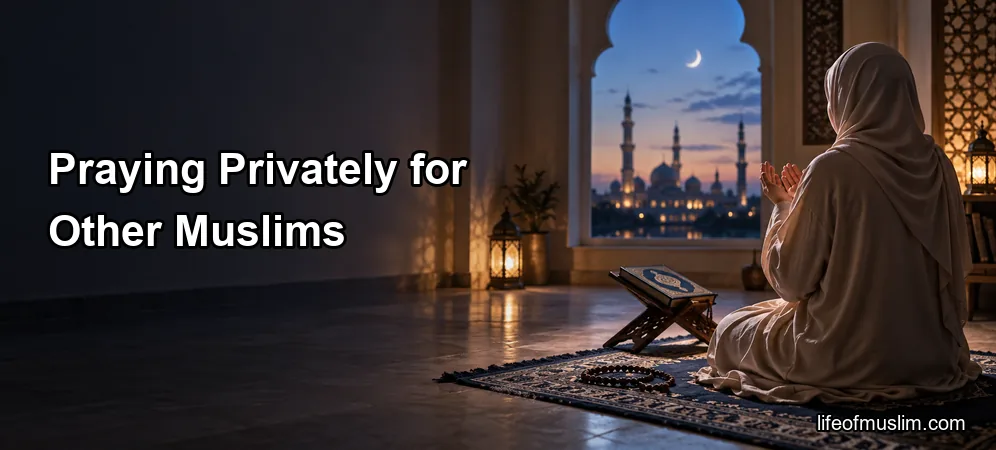
Sincere dua is not limited to asking for our own needs. Islam teaches believers to remember other Muslims when they are absent, bringing their wellbeing before Allah without seeking attention or praise. A short hadith gives this quiet act a remarkable encouragement.
The Angelic Reply to a Private Dua
Abu Dharr reported that Allah’s Messenger ﷺ said: “There is no believing servant who supplicates for his brother behind his back (in his absence) that the Angels do not say: The same be for you too” (Sahih Muslim 2732a).
The hadith places value on a prayer made when the other person is not present. Such dua is free from the need to impress the person receiving it. The believer asks Allah sincerely for another’s good, and an angel responds with a prayer for the one making the dua.
Pray for Real Needs with Sincerity
Private dua can include guidance, forgiveness, lawful provision, health, family wellbeing, relief from hardship, beneficial knowledge, and steadfast faith. Keep the request good, lawful, and compassionate. Avoid turning dua into assumptions about private matters you do not understand.
You do not need long or elaborate words. Mention the person before Allah and ask clearly for what is beneficial. You may pray for relatives, friends, teachers, neighbours, colleagues, people facing difficulty, and Muslims you have never met.
Dua Softens Relationships
It is harder to feed resentment while regularly asking Allah to guide, forgive, and help another person. Private dua can train the heart to want goodness for others. It does not erase the need for healthy boundaries or responsible action, but it can reduce envy, harshness, and selfishness.
When a relationship is strained, ask Allah to grant both people wisdom, justice, calm speech, and a sound outcome. Do not use dua as a substitute for apologising, returning rights, seeking help, or addressing harm appropriately. Prayer and responsible conduct should support one another.
Build a Quiet List of People to Remember
Connect this Sunnah to moments already present in the day. After an obligatory prayer, before sleeping, during sujood, or whenever you make personal dua, remember one or two people by name. Rotate through family, friends, teachers, those who are ill, and people carrying unseen burdens.
Protect their privacy. There is no need to announce every prayer or turn it into public content. The beauty of this practice lies partly in its secrecy: another person may never know that you asked Allah for their good.
Pray Broadly for the Muslim Community
Alongside individual names, pray for Muslims who need guidance, safety, forgiveness, beneficial knowledge, lawful provision, strong families, and relief from suffering. Keep the wording merciful and avoid political, hateful, or group-targeting language. The aim is sincere good, not the performance of anger.
Remembering others in dua also reminds us that we depend upon Allah together. The angelic reply described in the hadith shows that generosity in supplication does not leave the supplicant empty.
Conclusion
Sahih Muslim 2732a teaches that when a believer privately supplicates for another Muslim, an angel says that the same should be for the one praying. This simple Sunnah nurtures sincerity, care, and hope. By quietly remembering others before Allah, we seek good for them while receiving a beautiful prayer in return.
دوسرے مسلمانوں کے لیے خاموش دعا پر فرشتے کا جواب
مخلص دعا صرف اپنی ضرورت مانگنے تک محدود نہیں۔ اسلام مومنوں کو سکھاتا ہے کہ دوسرے مسلمانوں کی غیر موجودگی میں انہیں یاد کریں اور توجہ یا تعریف چاہے بغیر ان کی بھلائی اللہ کے سامنے رکھیں۔ ایک مختصر حدیث اس خاموش عمل کے لیے حیرت انگیز ترغیب دیتی ہے۔
خفیہ دعا پر فرشتے کا جواب
حضرت ابوذر رضی اللہ عنہ سے روایت ہے کہ رسول اللہ ﷺ نے فرمایا، مفہوم: جو مومن بندہ اپنے بھائی کی غیر موجودگی میں اس کے لیے دعا کرتا ہے تو فرشتے کہتے ہیں کہ تمہارے لیے بھی ایسا ہی ہو (صحیح مسلم 2732a)۔
حدیث اس دعا کی قدر بیان کرتی ہے جو دوسرے شخص کی غیر موجودگی میں کی جائے۔ ایسی دعا اس شخص کو متاثر کرنے کی خواہش سے پاک ہوتی ہے۔ مومن خلوص سے دوسرے کے لیے اللہ سے خیر مانگتا ہے، اور ایک فرشتہ دعا کرنے والے کے لیے بھی ویسی ہی دعا کرتا ہے۔
حقیقی ضرورتوں کے لیے اخلاص سے دعا کریں
خفیہ دعا میں ہدایت، مغفرت، حلال رزق، صحت، خاندانی بھلائی، مشکل سے نجات، فائدہ مند علم اور ایمان پر ثابت قدمی مانگی جا سکتی ہے۔ درخواست نیک، جائز اور رحمت والی ہو۔ ایسے ذاتی معاملات کے بارے میں گمان کو دعا نہ بنائیں جن کی حقیقت آپ نہیں جانتے۔
طویل یا مشکل الفاظ ضروری نہیں۔ اللہ کے سامنے اس شخص کو یاد کریں اور صاف طور پر فائدہ مند چیز مانگیں۔ رشتہ داروں، دوستوں، اساتذہ، پڑوسیوں، ساتھیوں، مشکل میں مبتلا لوگوں، اور ان مسلمانوں کے لیے دعا کی جا سکتی ہے جن سے کبھی ملاقات نہیں ہوئی۔
دعا تعلقات میں نرمی پیدا کرتی ہے
کسی کے لیے باقاعدگی سے ہدایت، معافی اور مدد مانگتے ہوئے دل میں رنجش بڑھانا مشکل ہوتا ہے۔ خفیہ دعا دل کو دوسروں کے لیے بھلائی چاہنے کی تربیت دیتی ہے۔ یہ مناسب حدود یا ذمہ دار عمل کی ضرورت ختم نہیں کرتی، مگر حسد، سختی اور خود غرضی کم کر سکتی ہے۔
اگر تعلق میں کشیدگی ہو تو اللہ سے دونوں کے لیے حکمت، انصاف، نرم گفتگو اور اچھا انجام مانگیں۔ دعا کو معافی مانگنے، حقوق واپس کرنے، مدد لینے، یا نقصان کو مناسب طریقے سے روکنے کا متبادل نہ بنائیں۔ دعا اور ذمہ دار کردار کو ایک دوسرے کی مدد کرنی چاہیے۔
یاد رکھنے والے لوگوں کی خاموش فہرست بنائیں
اس سنت کو دن کے موجود لمحات سے جوڑیں۔ فرض نماز کے بعد، سونے سے پہلے، سجدے میں، یا ذاتی دعا کے وقت ایک دو لوگوں کو نام لے کر یاد کریں۔ خاندان، دوستوں، اساتذہ، بیماروں، اور پوشیدہ بوجھ اٹھانے والوں کو باری باری شامل کریں۔
ان کی رازداری محفوظ رکھیں۔ ہر دعا کا اعلان یا اسے عوامی مواد بنانے کی ضرورت نہیں۔ اس عمل کی خوبصورتی کا ایک حصہ اس کی پوشیدگی ہے: دوسرے شخص کو کبھی معلوم بھی نہ ہو کہ آپ نے اللہ سے اس کے لیے خیر مانگی۔
مسلم امت کے لیے وسیع دعا کریں
انفرادی ناموں کے ساتھ ان مسلمانوں کے لیے بھی دعا کریں جنہیں ہدایت، امن، مغفرت، فائدہ مند علم، حلال رزق، مضبوط خاندان اور تکلیف سے نجات کی ضرورت ہے۔ الفاظ میں رحمت رکھیں اور سیاسی، نفرت انگیز یا کسی گروہ کو نشانہ بنانے والی زبان سے بچیں۔ مقصد مخلص خیر ہے، غصے کی نمائش نہیں۔
دعا میں دوسروں کو یاد کرنا یہ بھی یاد دلاتا ہے کہ ہم سب مل کر اللہ کے محتاج ہیں۔ حدیث میں بیان کیا گیا فرشتے کا جواب دکھاتا ہے کہ دعا میں سخاوت کرنے والا خالی نہیں رہتا۔
نتیجہ
صحیح مسلم 2732a سکھاتی ہے کہ جب مومن کسی دوسرے مسلمان کے لیے اس کی غیر موجودگی میں دعا کرتا ہے تو فرشتہ دعا کرتا ہے کہ دعا کرنے والے کے لیے بھی ایسا ہی ہو۔ یہ سادہ سنت اخلاص، خیر خواہی اور امید پیدا کرتی ہے۔ دوسروں کو خاموشی سے اللہ کے سامنے یاد کرکے ہم ان کے لیے بھلائی مانگتے اور بدلے میں ایک خوبصورت دعا پاتے ہیں۔
References
Sahih Muslim — Book 48, Chapter 23, Hadith 119; Reference 2732a