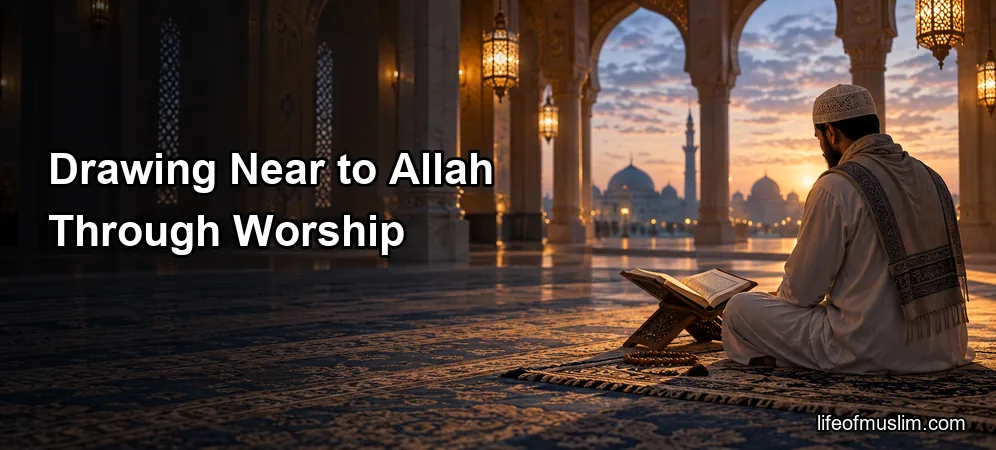
A believer may feel eager to add more worship but unsure where to begin. Sahih al-Bukhari 6502 provides a clear order: closeness to Allah begins with what He has made obligatory, then grows through voluntary deeds. This protects enthusiasm from becoming unbalanced.
Begin With What Allah Has Enjoined
In this sacred hadith, Allah says that the most beloved means by which His servant comes near to Him is what He has enjoined, and the servant continues drawing near through voluntary deeds until Allah loves him (Sahih al-Bukhari 6502).
Obligatory worship is therefore the foundation. Extra prayers cannot replace a missed obligatory prayer, and optional charity does not remove an unpaid duty. Before building a large voluntary routine, identify the obligations that need greater care.
Strengthen the Foundation First
Start with a practical review. Are the five daily prayers guarded? Are fasting, zakat, and other duties fulfilled when they apply? Are people’s rights respected and promises handled honestly? Seek reliable guidance for any obligation you do not understand.
Improvement does not require fixing everything in one day. Choose one weak area, learn its requirements, remove a recurring obstacle, and track steady progress. Consistency gives the foundation strength.
Add Voluntary Deeds Wisely
Once obligations receive proper attention, voluntary worship can deepen devotion. This may include additional prayers, optional fasting, extra charity, Quran recitation, remembrance of Allah, or quiet acts of service. Select deeds that fit your health, responsibilities, and present ability.
Begin with an amount you can sustain. A brief voluntary prayer performed regularly may be more useful for building a habit than an ambitious routine abandoned after a few days. Increase gradually when the practice becomes stable.
Protect Sincerity and Balance
Voluntary worship should not become a reason to display piety, neglect family duties, harm health, or judge other people. Keep some deeds private. Remember that different believers may have different abilities and responsibilities.
Do not compare the visible size of your routine with someone else’s. The goal is sincere nearness to Allah through obedience, not competition for attention.
Let Worship Guide Daily Choices
The hadith describes a servant whose hearing, sight, hands, and steps are guided under Allah’s care. This teaches that closeness is not limited to the prayer mat. Worship should influence what we listen to, look at, handle, and pursue.
After voluntary worship, carry its effect into work, family life, spending, and speech. A routine that increases humility and careful obedience is more beneficial than one that leaves daily character unchanged.
Conclusion
Sahih al-Bukhari 6502 gives a sound path toward closeness to Allah: honour the obligations first, then add voluntary deeds with sincerity and consistency. Build gradually, protect balance, and allow worship to guide ordinary choices. In this way, extra devotion grows from a firm foundation rather than replacing it.
عبادت، فرائض اور نوافل کے ذریعے اللہ کا قرب حاصل کرنا
مومن زیادہ عبادت کرنا چاہ سکتا ہے مگر اسے معلوم نہیں ہوتا کہ کہاں سے شروع کرے۔ صحیح بخاری 6502 ایک واضح ترتیب دیتی ہے: اللہ کا قرب ان کاموں سے شروع ہوتا ہے جو اس نے فرض کیے، پھر نفل اعمال کے ذریعے بڑھتا ہے۔ یہ ترتیب شوق کو بے توازنی سے محفوظ رکھتی ہے۔
اللہ کے فرض کردہ اعمال سے آغاز کریں
اس حدیث قدسی میں اللہ تعالیٰ فرماتا ہے کہ بندہ جن اعمال کے ذریعے اس کا قرب حاصل کرتا ہے ان میں سب سے محبوب وہ ہیں جو اس پر فرض کیے گئے، اور بندہ نوافل کے ذریعے قرب حاصل کرتا رہتا ہے یہاں تک کہ اللہ اس سے محبت کرتا ہے (صحیح بخاری 6502)۔
اس لیے فرض عبادت بنیاد ہے۔ نفل نماز چھوڑی ہوئی فرض نماز کی جگہ نہیں لے سکتی اور نفلی صدقہ کسی واجب حق کو ختم نہیں کرتا۔ بڑا نفلی معمول بنانے سے پہلے ان فرائض کو پہچانیں جنہیں زیادہ توجہ درکار ہے۔
پہلے بنیاد مضبوط کریں
عملی جائزے سے آغاز کریں۔ کیا پانچوں نمازوں کی حفاظت ہوتی ہے؟ روزہ، زکوٰۃ اور دوسرے فرائض واجب ہونے پر ادا کیے جاتے ہیں؟ کیا لوگوں کے حقوق کا خیال اور وعدوں کی دیانت سے تکمیل ہوتی ہے؟ جس فرض کی سمجھ نہ ہو اس کے لیے معتبر رہنمائی حاصل کریں۔
بہتری کے لیے ایک دن میں سب کچھ درست کرنا ضروری نہیں۔ ایک کمزور پہلو منتخب کریں، اس کے احکام سیکھیں، بار بار آنے والی رکاوٹ دور کریں اور مستقل پیش رفت دیکھیں۔ پابندی بنیاد کو مضبوط کرتی ہے۔
نفل اعمال سمجھ داری سے شامل کریں
جب فرائض کو مناسب توجہ ملے تو نفلی عبادت بندگی کو گہرا کر سکتی ہے۔ اس میں اضافی نماز، نفلی روزہ، مزید صدقہ، تلاوت قرآن، ذکر یا خاموش خدمت شامل ہو سکتی ہے۔ ایسے اعمال چنیں جو صحت، ذمہ داریوں اور موجودہ استطاعت کے مطابق ہوں۔
اتنی مقدار سے شروع کریں جسے قائم رکھا جا سکے۔ باقاعدگی سے ادا کی گئی مختصر نفل نماز عادت بنانے کے لیے اس بڑے معمول سے زیادہ مفید ہو سکتی ہے جو چند دن بعد چھوڑ دیا جائے۔ عمل مستحکم ہونے پر آہستہ آہستہ اضافہ کریں۔
اخلاص اور توازن کی حفاظت کریں
نفلی عبادت نیکی دکھانے، خاندانی ذمہ داریاں چھوڑنے، صحت کو نقصان پہنچانے یا دوسروں کو کمتر سمجھنے کا سبب نہیں بننی چاہیے۔ کچھ اعمال پوشیدہ رکھیں۔ یاد رکھیں کہ مختلف مومنوں کی استطاعت اور ذمہ داریاں مختلف ہو سکتی ہیں۔
اپنے ظاہری معمول کا کسی دوسرے شخص سے موازنہ نہ کریں۔ مقصد اطاعت کے ذریعے خلوص کے ساتھ اللہ کا قرب ہے، لوگوں کی توجہ کے لیے مقابلہ نہیں۔
عبادت کو روزمرہ فیصلوں کی رہنمائی بنائیں
حدیث ایسے بندے کا ذکر کرتی ہے جس کی سماعت، بصارت، ہاتھ اور قدم اللہ کی حفاظت میں رہنمائی پاتے ہیں۔ یہ سکھاتا ہے کہ قرب صرف جائے نماز تک محدود نہیں۔ عبادت کو ہماری سننے، دیکھنے، ہاتھ سے کرنے اور قدم بڑھانے کی سمت بہتر کرنی چاہیے۔
نفلی عبادت کے بعد اس کا اثر کام، خاندانی زندگی، خرچ اور گفتگو میں لے جائیں۔ وہ معمول زیادہ فائدہ مند ہے جو عاجزی اور محتاط اطاعت بڑھائے، نہ کہ ایسا معمول جو روزمرہ کردار کو بدلے بغیر رہ جائے۔
نتیجہ
صحیح بخاری 6502 اللہ کے قرب کا درست راستہ بتاتی ہے: پہلے فرائض کا احترام اور ادائیگی کریں، پھر اخلاص اور پابندی کے ساتھ نفل اعمال شامل کریں۔ آہستہ آہستہ تعمیر کریں، توازن کی حفاظت کریں اور عبادت کو عام فیصلوں کی رہنمائی بنائیں۔ اس طرح اضافی بندگی مضبوط بنیاد سے بڑھے گی، اس کی جگہ نہیں لے گی۔
References
Sahih al-Bukhari — Book 81, To Make the Heart Tender (Ar-Riqaq); Chapter 38, “The humility or modesty or lowliness”; Hadith 6502; in-book reference Book 81, Hadith 91